
Veteran-owned · Limewash & Whitewash Across Greater Philadelphia
Limewash & Whitewash Painters in Philadelphia
Limewash and whitewash for brick and stone, with samples before the full job.
About Our Limewash & Whitewash Work
Brick & stone finishes · Philadelphia area
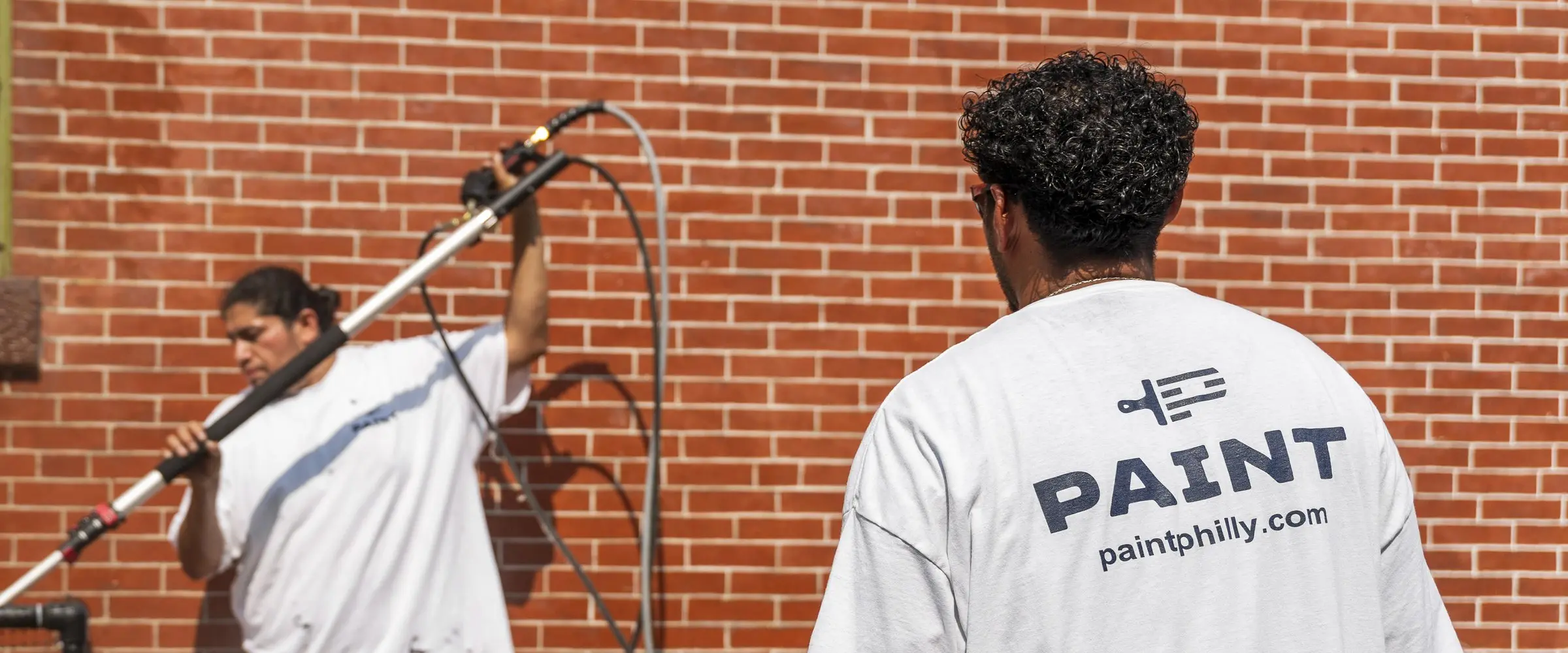
Create a softer, layered masonry finish without hiding every variation in the brick or stone. We evaluate the existing surface, discuss opacity and movement, and use samples to establish the look before the full application.
Related Services
The same crews, prep and finishes as every PAINT project.
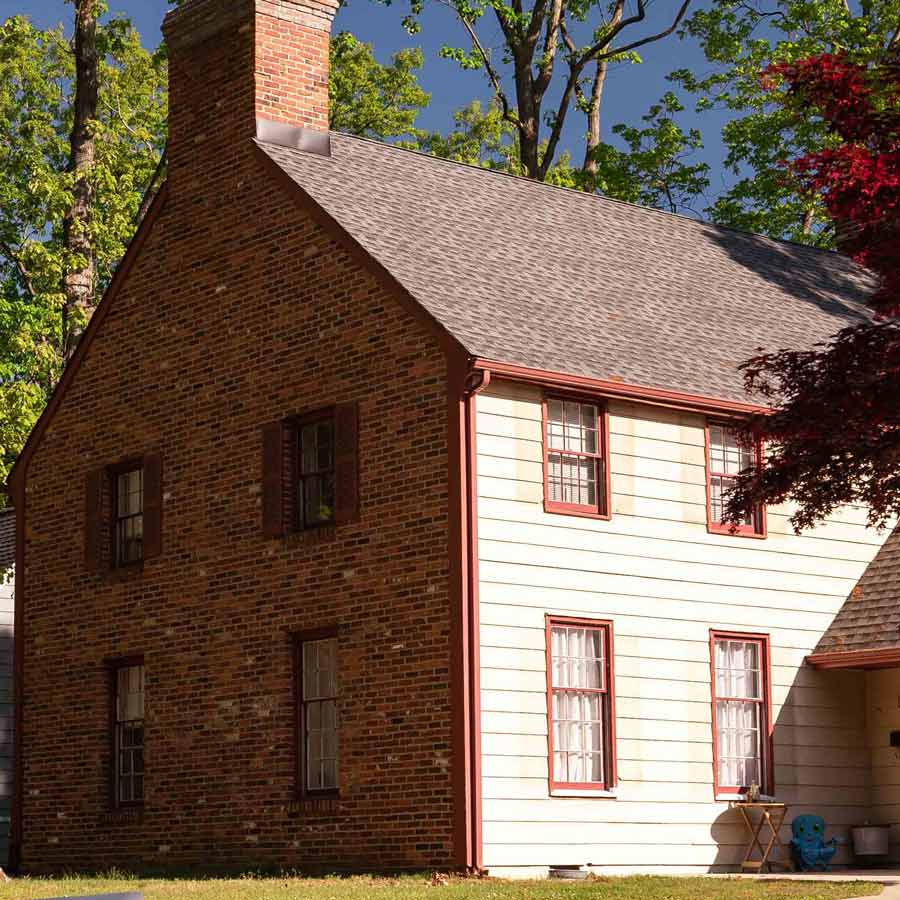
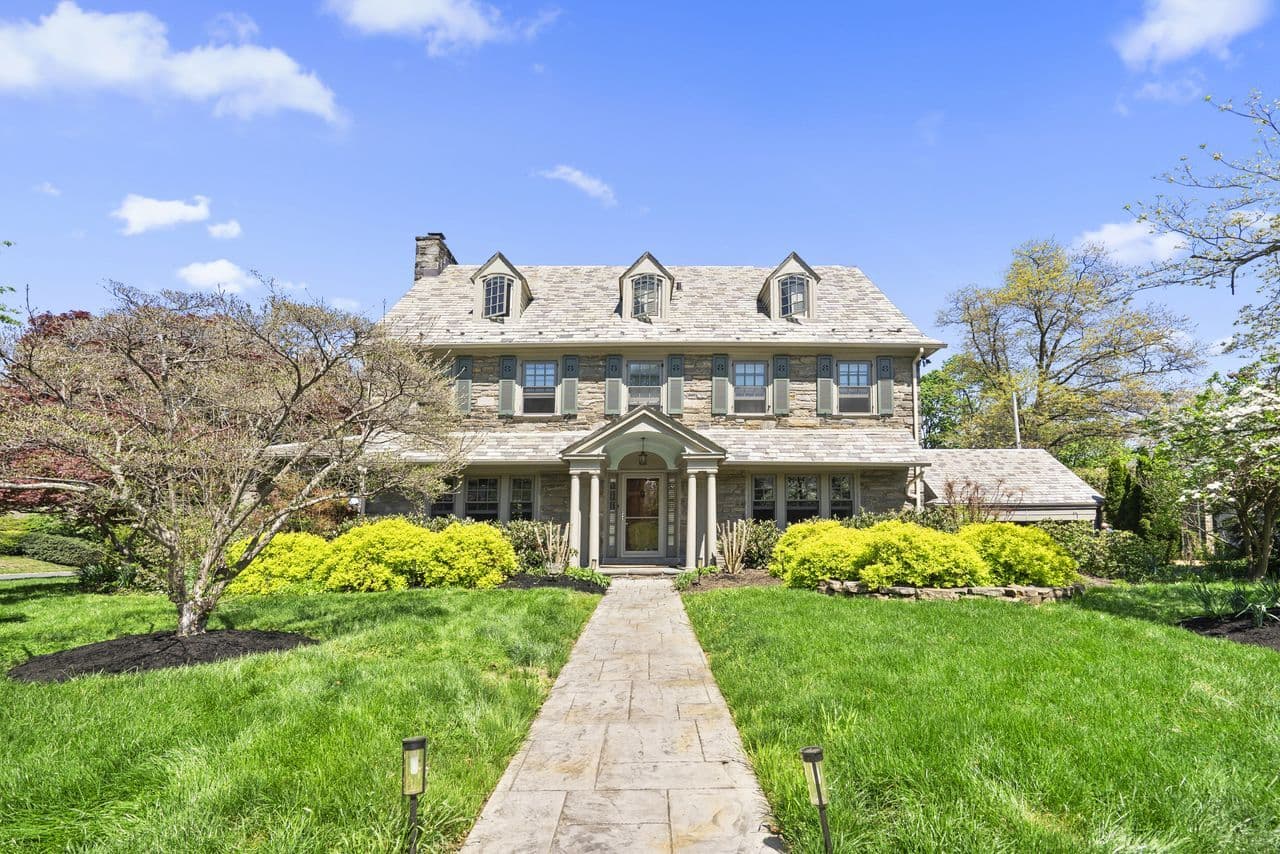 Exterior PaintingSiding, stucco, trim, shutters and doors, prepped properly so the finish lasts.Learn more →
 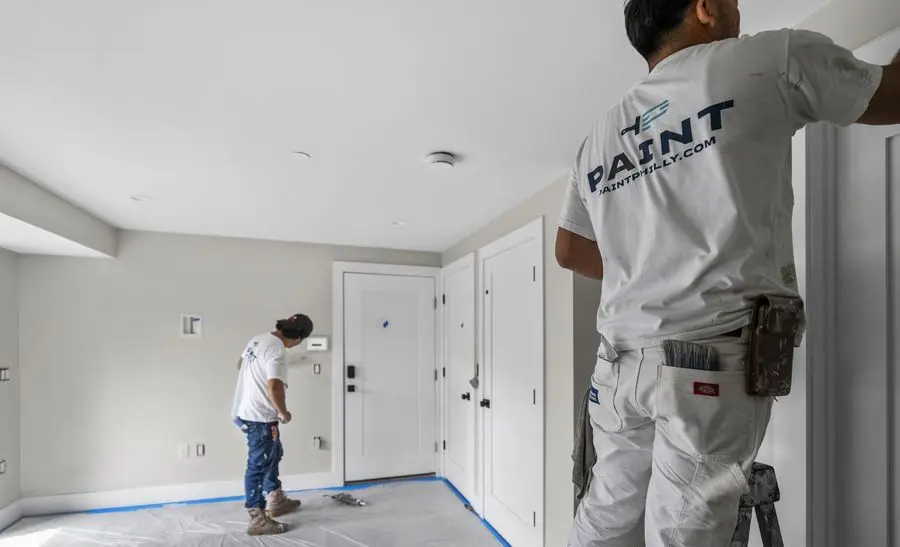 Interior PaintingWalls, ceilings, trim and doors, with furniture and floors fully protected.Learn more →
 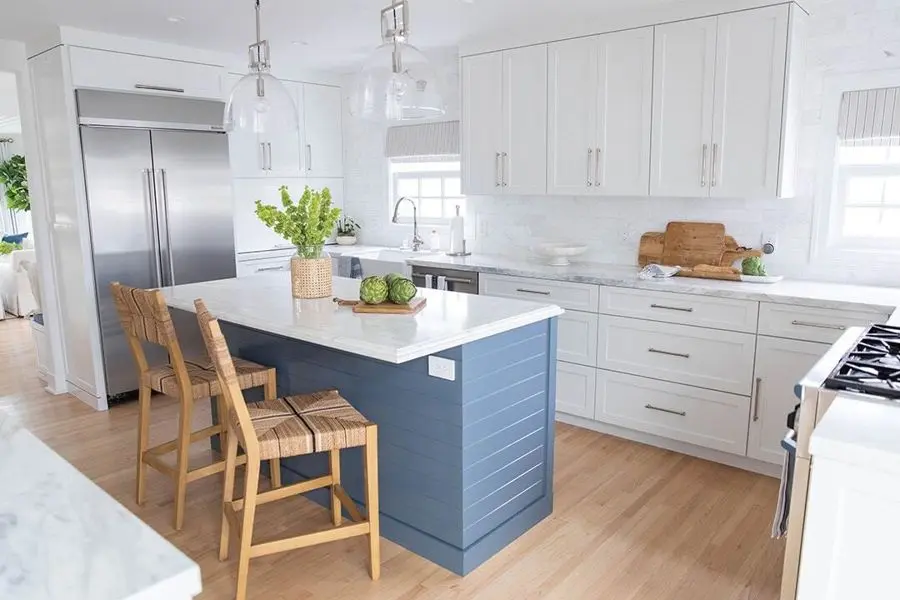 Cabinet PaintingA smooth, durable finish on kitchen and bath cabinets for a fraction of replacing them.Learn more →
 Also: Commercial painting · Wallpaper removal · Interior pricing · Exterior pricing
Our crew
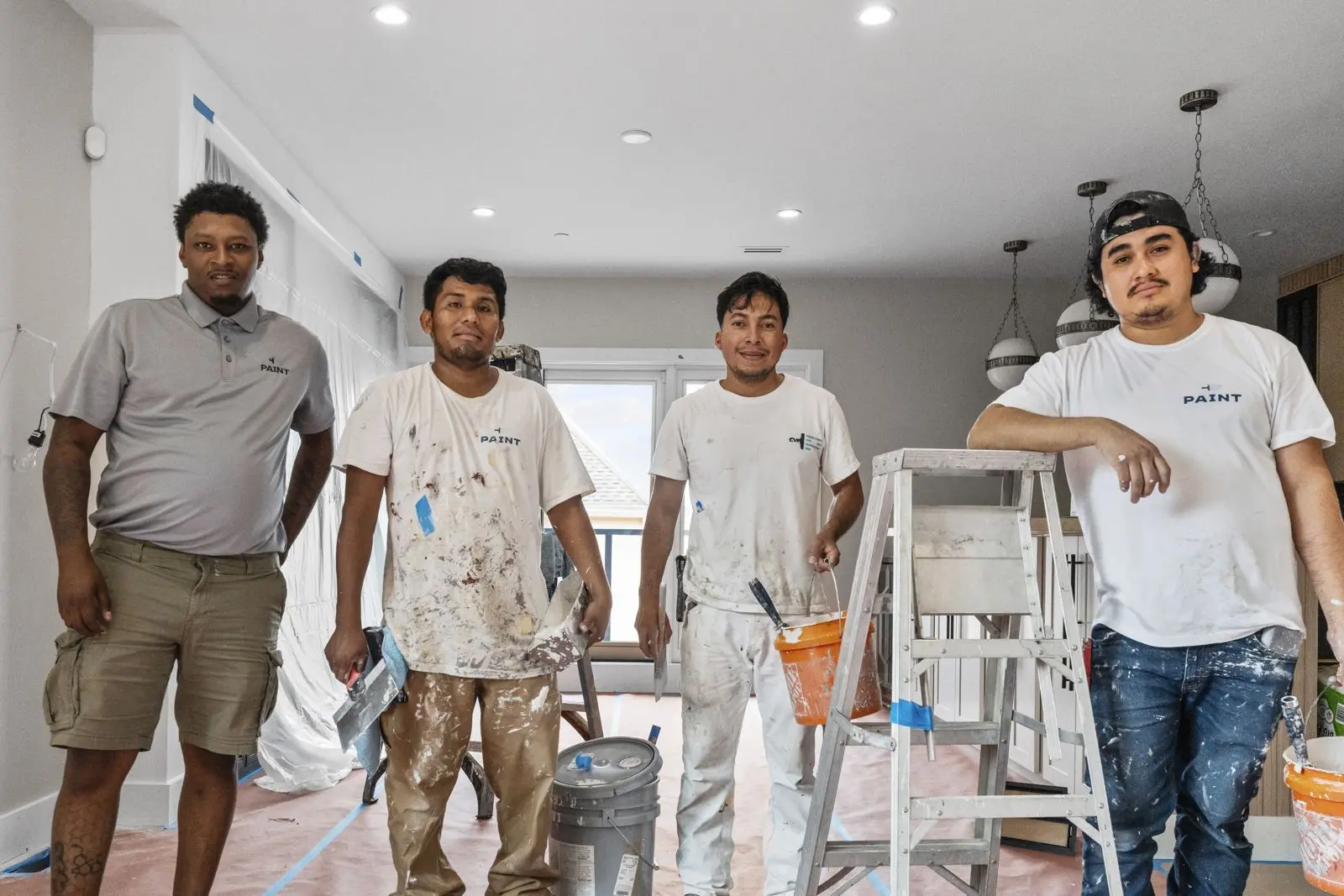
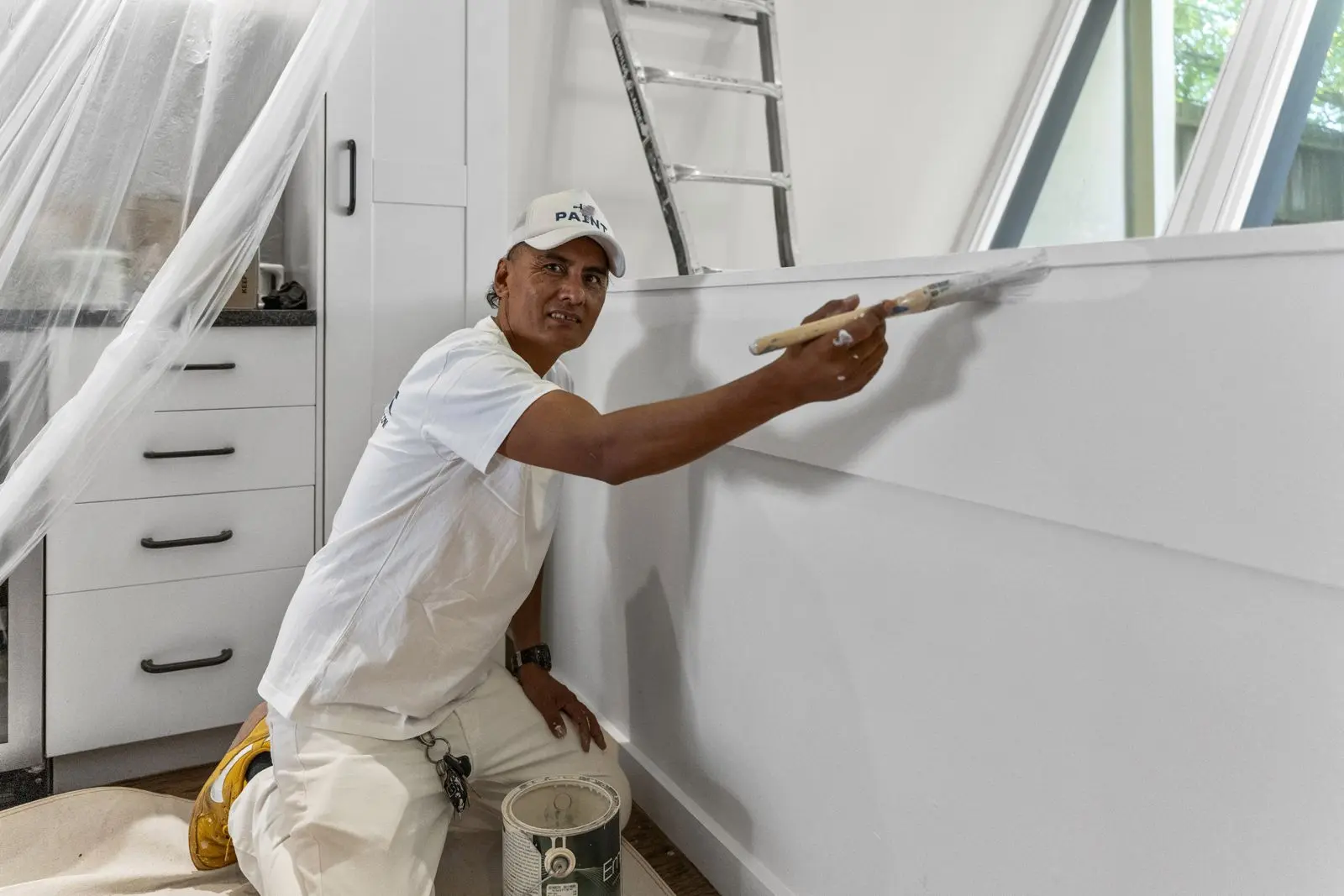
The People Who Paint Your Home
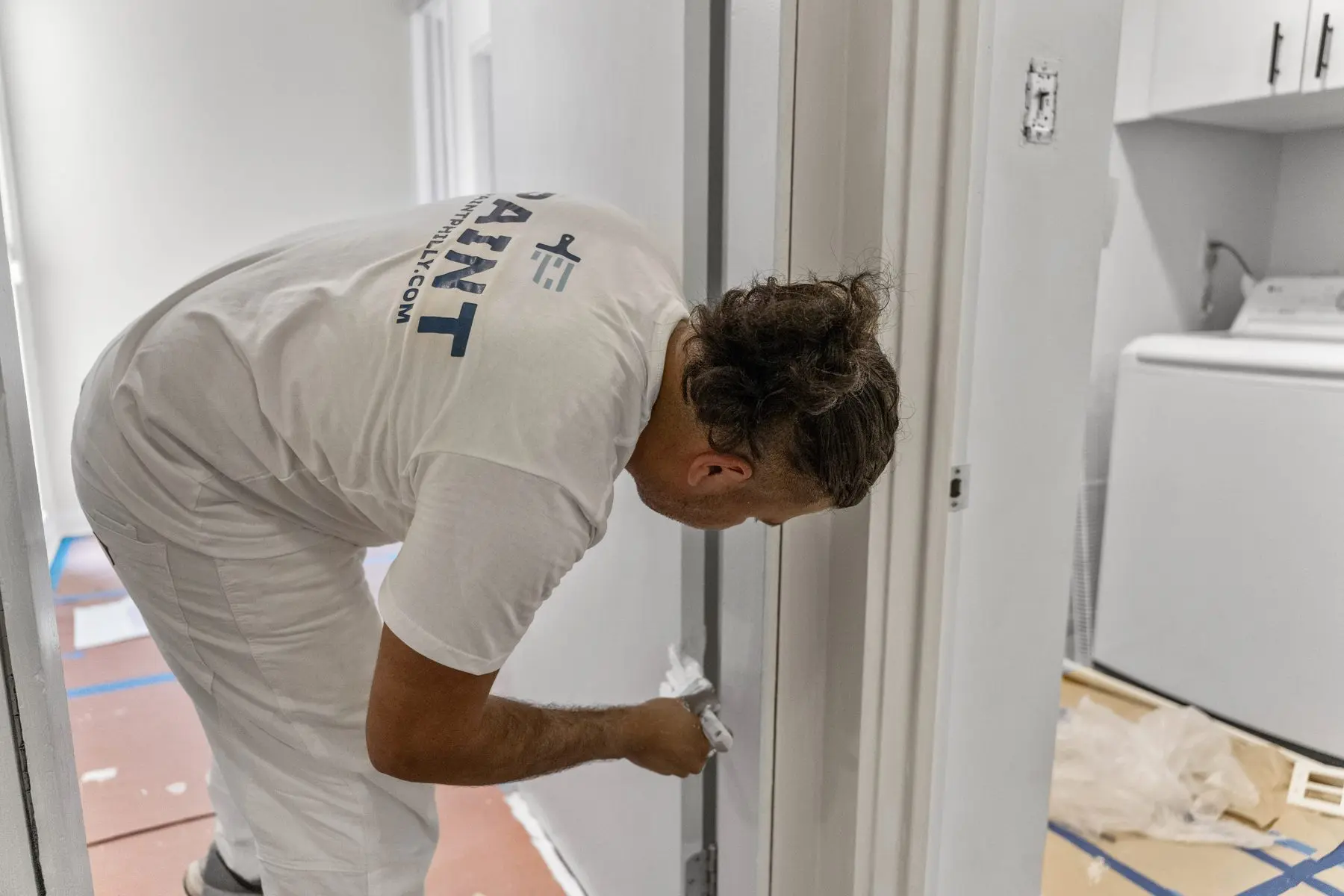
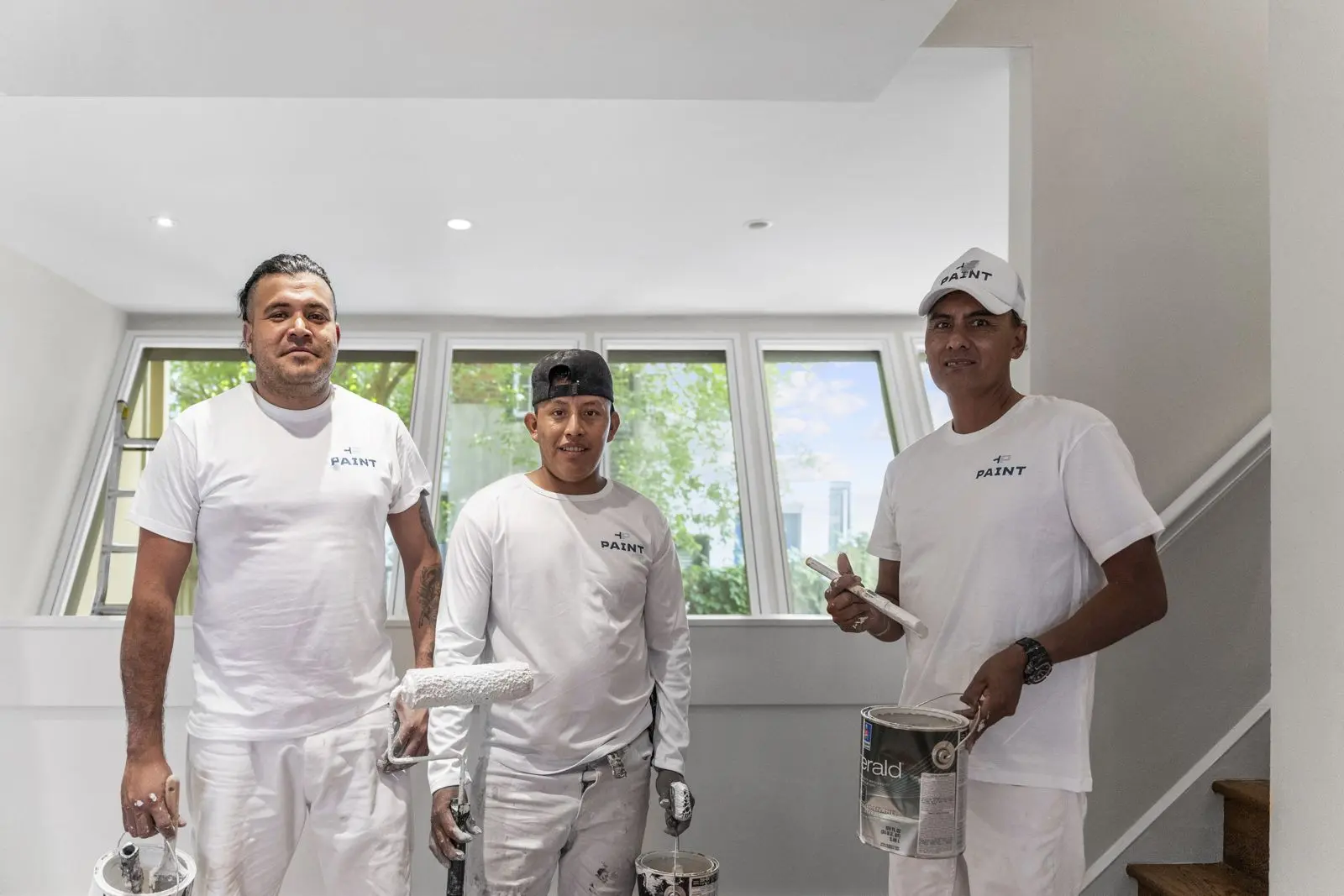
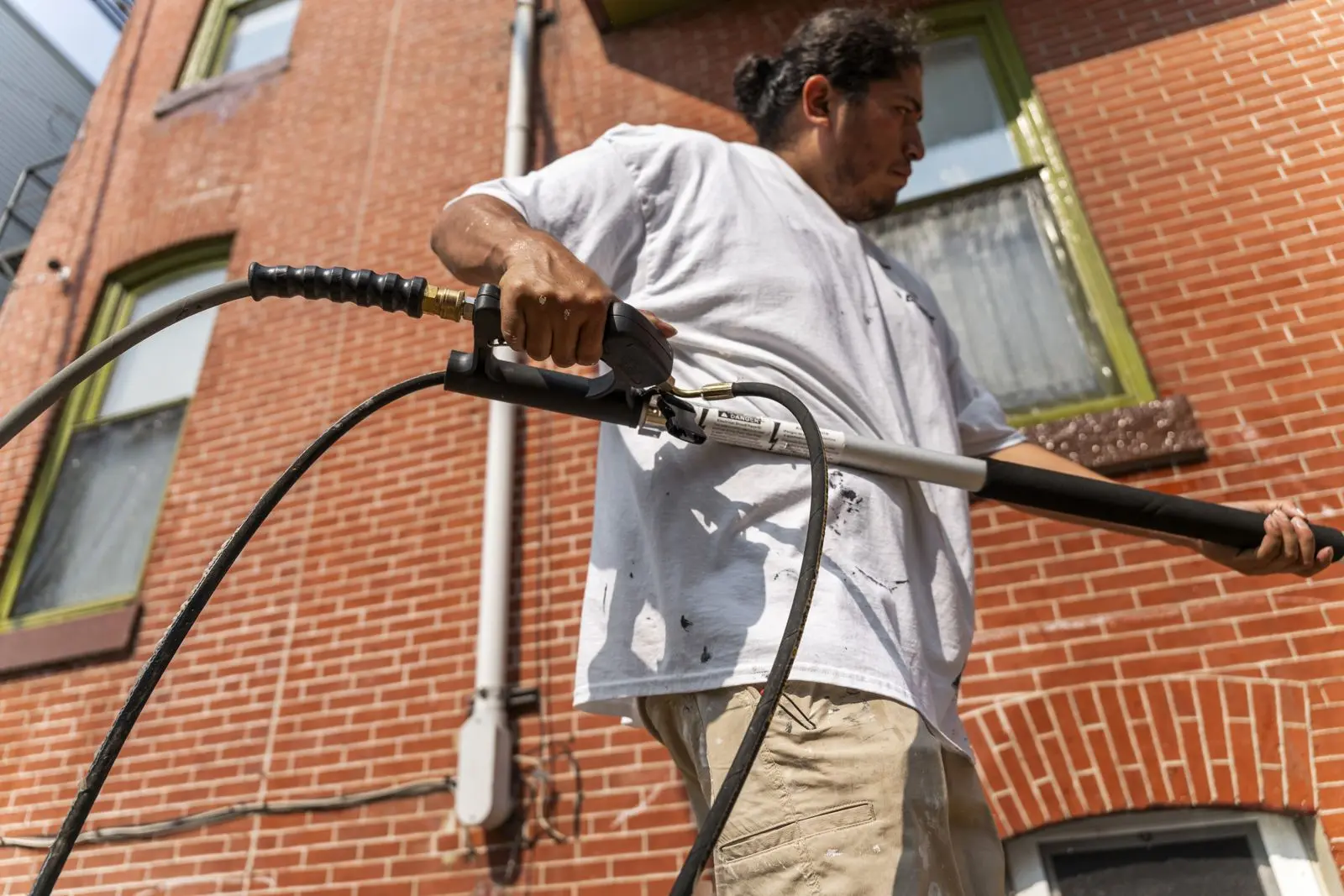
Every PAINT project is run by our own trained crews, with one project manager from the first day to the final walkthrough.
- A project manager who keeps you updated by call, text and photo
- Floors, furniture and landscaping protected before work starts
- A free color consultation with every estimate
- A final walkthrough with you before we leave
What Our Customers Say
Five-star Google reviews from homeowners across Greater Philadelphia.
“Cole was my project manager. He was awesome to work with. Lazaro team lead is great!! Love the work.”
“Had a great experience with Paint Philadelphia. From the sales team to the internal team everyone was great. Yesenia & Vinny did a great job painting and would hire them again. Also very competitive pricing...Thanks again!”
“I got several quotes for my interior paint job. Paint Philly actually came in the 2nd lowest, but I was much more impressed with the company history and reputation so I went with them. I am so glad I did!”
“Great service from all involved, especially Alexis the on site project manager. The crew did an excellent job and everybody was very friendly.”
“Expert paint job, expedient and professional, and even came back days later to touch up the baseboards.”
“This is our second time using PAINT and they are just fantastic! They are easy to work with, prompt in getting back to you with everything, and do a great job.”
More About Limewash & Whitewash Painters in Philadelphia
Limewash, whitewash, or masonry paint?
The right choice depends on the existing coating, masonry, exposure, maintenance expectations, and the appearance you want. We begin with the surface—not a predetermined product.
Limewash
A mineral finish used on compatible, absorbent masonry. It creates a matte, softly varied look and allows some of the original material to remain visually present.
More about this service
Whitewash
A paint-based, thinned finish that can create a washed appearance. Composition, coverage, and compatibility differ from true mineral limewash.
Painted or Sealed Masonry
Previously coated surfaces may not accept limewash in the same way as raw masonry. We evaluate adhesion and recommend an approach based on the actual condition.
Before and after limewash
Opacity, color, and variation can be adjusted to the property and the desired finish. Samples help make those choices visible before the full surface is completed.
Decide the finish before committing the whole surface
Mineral finishes react to the substrate and look different as they dry. A deliberate evaluation and sample process is the most reliable way to confirm suitability and appearance.
- 01. Surface evaluation
Identify the masonry, previous coatings, repairs, moisture concerns, and exposure.
- 02. Finish direction
Discuss limewash versus whitewash, color, opacity, variation, and the areas to be treated.
- 03. Sample
Review a sample in the property’s actual light and against surrounding trim and materials.
- 04. Preparation & application
Clean and prepare compatible surfaces, protect adjacent areas, and build the agreed appearance.
- 05. Review
Walk the completed work together and discuss normal variation and ongoing care.
What determines whether the surface is a fit?
- Is the brick or stone raw, painted, sealed, glazed, or previously treated?
- Is the masonry sound, absorbent, and free of unresolved moisture problems?
- Will the finish be indoors or exposed to exterior weather?
- How opaque, uniform, or naturally varied should the finished surface look?
- How do nearby trim, mortar, flooring, landscaping, and light affect the color?
Start with the surface and a clear sample.
Schedule a free consultation or call (267) 229-4333 to discuss limewash or whitewash for brick and stone in Greater Philadelphia.
Frequently Asked Questions
Anything else, call us at (267) 229-4333.
What is the difference between limewash and whitewash?
Limewash is a mineral finish made with lime and creates a matte, softly varied appearance on compatible masonry. Whitewash commonly refers to a thinned paint-based treatment. The two finishes differ in composition, surface compatibility, and final appearance.
What surfaces can be limewashed?
Limewash is generally suited to absorbent masonry such as compatible brick and stone. Painted, sealed, glazed, damaged, or previously treated surfaces need to be evaluated because they may not absorb or bond with the finish in the same way.
Can limewash be used on both interiors and exteriors?
Limewash can be considered for compatible interior or exterior masonry. The surface, exposure, surrounding finishes, ventilation, and desired look are reviewed before the application plan is confirmed.
What does a limewash finish look like as it ages?
Limewash has a matte, mineral appearance with natural variation rather than the uniform film of conventional paint. Exterior exposure can gradually soften and weather the finish, so the expected patina and future maintenance should be part of the design decision.
Can I see a limewash sample before choosing the finish?
A test sample can be discussed so you can review the color, opacity, texture, and variation on the actual surface. The final appearance is influenced by the masonry and application, so a sample is more useful than relying on a small color chip alone.
We Serve 40+ Towns Across Greater Philadelphia
Ready to get started?
Let’s get your project painted.
Schedule a free in-home consultation or call us at (267) 229-4333.