
Exterior Painting Tips
How To Fix The Fading Paint On Your Fences in Newtown, PA | PAINT Philadelphia
November 14, 2023

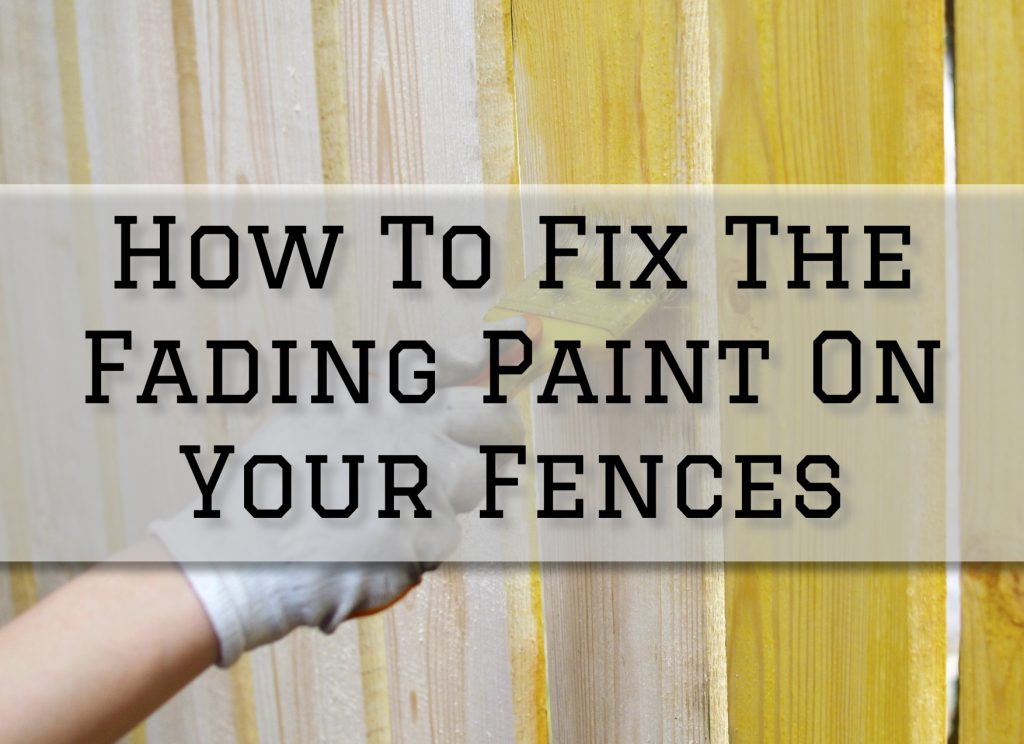
Fading paint on fences is one of the most common exterior issues homeowners face in Newtown, PA. After years of sun exposure, seasonal storms, and fluctuating humidity, even the nicest looking fence can start to look dull, chalky, and uneven. Beyond the visual impact, faded paint often means the wood is no longer fully protected, leaving it vulnerable to moisture, rot, and insect damage.
At PAINT Philadelphia, our team of exterior painting specialists has helped numerous homeowners in Newtown and the broader Philadelphia region restore worn fences with professional‑grade prep, high‑quality paint, and expert repainting techniques.
In this detailed guide, you’ll discover:
-
What causes fence paint to fade over time.
-
How to evaluate the condition of your fence before you paint.
-
Best practices for cleaning, sanding, and priming.
-
The right exterior paint types and finishes for your fence.
-
When to DIY and when to hire professional painters in the Philadelphia area.
What Causes Fence Paint to Fade?
Paint fading on fences is rarely just about age. It’s usually the result of several interacting factors:
-
UV radiation: Direct sunlight breaks down binders and pigments in the paint, turning once‑vibrant colors into dull, chalky surfaces.
-
Moisture and humidity: In Newtown, PA, frequent rain and high humidity can cause water to seep into poorly sealed wood, leading to discoloration and mildew.
-
Temperature changes: Freeze–thaw cycles cause wood to expand and contract, which weakens paint adhesion and contributes to cracking and peeling.
-
Poor prep or low‑quality materials: Skipping cleaning, sanding, or priming, or using interior paint or cheap exterior paint, drastically shortens the life of the finish.
If your fence has gone from sharp definition to a washed‑out, patchy look, it’s a sign the paint is no longer serving its protective purpose—and it’s time to intervene.
Step 1: Inspect Your Fence for Damage
Before you start painting, walk the entire fence line and inspect:
-
Wood condition: Look for soft spots, cracks, warping, or splinters that indicate rot or structural weakness.
-
Existing paint: Check for peeling, blistering, bubbling, or uneven fading.
-
Hardware: Examine posts, posts brackets, latches, and hinges for rust, looseness, or instability.
-
Surrounding landscape: Overgrown bushes, ivy, or trees can trap moisture and speed up deterioration.
If the fence is tilting, has loose posts, or shows significant rot, it’s wise to repair or replace those sections first. In many cases, homeowners in the Philadelphia area choose to combine repair and repainting in one project so the fence can withstand local weather for many years.
Step 2: Clean the Fence Thoroughly
Dirt, algae, mildew, and old chalky residue all prevent new paint from bonding. A deep clean is essential for long‑lasting results.
-
Clear the area: Move lawn furniture, hoses, and anything resting against the fence.
-
Wash the surface: Use a garden hose with a soft brush and a mild exterior cleaner. For stubborn mildew, a diluted solution of water and white vinegar (1:3) or a mildewcide‑based cleaner works well.
-
Rinse and dry: Rinse thoroughly and allow the fence to dry completely for at least 24–48 hours before moving on.
In older homes around Philadelphia, decades of grime can hide under faded paint, so pressure‑washing or a thorough scrub often makes a dramatic difference before you even apply a new coat.
Step 3: Repair and Replace Damaged Boards & Posts
Paint cannot solve structural problems. Address:
-
Cracked or split boards: Use exterior‑grade wood filler or replace the boards entirely.
-
Loose or leaning posts: Reset or replace them so the fence stands straight and stable.
-
Rusted or loose hardware: Clean metal with a wire brush, apply rust‑inhibiting primer, and resecure latches and hinges.
For homes in Newtown and nearby suburbs, combining repair with a professional‑quality repaint ensures the fence functions safely and looks great for years.
Step 4: Sand and Smooth the Surface
After the fence is clean and dry, prepare the surface for paint:
-
Sand peeling areas: Use medium‑grit sandpaper (80–120 grit) to remove loose paint and feather the edges.
-
Smooth rough spots: Sand splinters, knots, and rough textures to create an even surface.
-
Wipe down: Use a tack cloth or damp rag to remove dust and debris.
If the fence already has multiple layers of paint, lightly sanding between coats improves adhesion and helps prevent future peeling.
Step 5: Prime Where Needed
Primer is crucial on:
-
Bare wood sections from repairs.
-
Old, chalky paint that leaves dust on your fingers.
-
Areas with moisture damage or prior mildew.
Choose a high‑quality, exterior‑grade primer formulated for wood and compatible with your topcoat. For fences in the Philadelphia region, a mildew‑resistant or water‑repellent primer adds extra protection against humidity and seasonal rain.
Step 6: Choose the Right Exterior Fence Paint
The type of paint you choose has a huge impact on how long your fence will look good.
-
100% acrylic exterior paint: Flexible, UV‑resistant, and durable, especially in freeze–thaw climates.
-
Mildew‑resistant formula: Ideal for shaded or damp areas.
-
Matte or satin finish: These finishes hide imperfections better than high‑gloss and look more natural on wood.
-
Color selection: Lighter, neutral shades like soft grays, beiges, and sage greens tend to fade less dramatically than dark or bright colors.
Professional painters in the Philadelphia area
Step 7: Apply Paint With Proper Technique
Apply paint on a dry, mild day (ideally 50–85°F) with low humidity.
-
Use the right tools: Synthetic brushes for rails and posts, and a roller with an extension pole for larger flat panels.
-
Work with the grain: Brush along the wood grain to minimize lap marks and ensure even coverage.
-
Apply two coats: The first coat should be thin and even; the second full coat builds durability and color depth.
-
Follow recoat instructions: Respect the manufacturer’s recommended time between coats (usually 4–8 hours).
Hiring professional exterior painters in Newtown means you get consistent coverage, proper lap‑control, and a finish that looks professional from every angle.
Step 8: Protect and Maintain the New Finish
To extend the life of your freshly painted fence:
-
Trim nearby plants to improve airflow and reduce moisture buildup.
-
Clean the fence annually with a gentle exterior wash.
-
Inspect every 1–2 years for early signs of peeling, cracking, or bubbling.
-
Touch up small areas promptly with matching paint to avoid larger repairs.
A high‑quality clear topcoat or sealant can further protect the paint, especially on fences exposed to direct afternoon sun.
Why Work With Professional Painters in the Philadelphia Region?
DIY fence prep and painting can be time‑consuming and physically demanding, especially if you don’t have the right tools or experience. Professional painters in Newtown, PA, and the broader Philadelphia region bring:
-
High‑quality materials and properly formulated exterior primers.
-
Efficient prep and equipment, such as industrial‑grade cleaners, sprayers, and scaffolding.
-
Expertise in color selection and advice on fade‑resistant palettes.
-
on both labor and materials.
PAINT Philadelphia regularly serves Newtown, Holland, Richboro, and surrounding suburbs, helping homeowners restore and protect their fences with durable, long‑lasting finishes.
FAQs
1. How long should a freshly painted fence last in Newtown, PA?
A professionally prepared and painted wood fence in Newtown can last 8–15 years with high‑quality 100% acrylic exterior paint and proper maintenance. In the humid Philadelphia climate, longevity depends heavily on good prep, appropriate paint choice, and regular upkeep.
2. Can I just repaint over faded or peeling paint without prep?
Painting over faded or peeling paint without cleaning, sanding, and priming usually leads to poor adhesion and uneven coverage, often causing the new coat to fail within a year or two. For a durable finish, it’s essential to remove loose paint, clean the surface, and prime any bare or damaged areas.
3. What paint colors fade the least on fences?
Lighter neutral colors such as soft grays, warm beiges, and muted greens tend to fade less dramatically than dark or bold shades. In the Philadelphia region, where UV exposure and humidity are high, pairing a neutral palette with a UV‑resistant acrylic paint can significantly extend the vibrancy of your fence.
4. How often should I repaint or touch up my fence?
Most fences in Newtown, PA, benefit from a full repaint every 7–10 years if high‑quality paint and thorough prep are used. With lighter maintenance such as spot touch‑ups and annual cleaning, this can stretch to 10–12 years. Regular inspections help catch fading early and keep the fence looking fresh.
5. When should I call a professional instead of DIYing?
Consider hiring professional painters if:
-
The fence shows significant rot, warping, or instability.
-
Large sections of paint are peeling, blistering, or bubbling.
-
You want a consistent, long‑lasting finish with minimal effort on your part.
Paint contractors serving the Philadelphia area, including Newtown and Holland, can handle prep, repair, and repainting in one coordinated project, saving time and improving the final result.
If you need professional help with your interior/exterior painting project, PAINT Philadelphia can help.
Our home interior/exterior painting services are available in Newtown, Holland, and Richboro, PA.
Related: Paint Colors To Avoid For Your Home Interior in Newtown, PA
Tips For Repainting Your Home Interior After Physical Damage in Newtown, PA

Andrew Tomasetti is not just a painting contractor, he is the owner of Paint Philadelphia; a painting company in the greater Philadelphia area that services the Holland, Newtown, Churchville, Yardley, Richboro areas.
Andrew Tomasetti is both a veteran and an engineer. His passion for hands-on work comes from his father and uncle and runs deep in his veins.


Ready to get started?
Let’s get your project painted.
Schedule a free in-home consultation or call us at (267) 229-4333.