
Selecting the Right Drywall Patching Materials for Your Main Line Project
Selecting the right drywall patching materials can make or break your project. Many homeowners in Main Line, PA, face issues like cracks or holes that need quick fixes, especially when air conditioning ducts or other utilities are involved. This article will explore common drywall problems, the importance of choosing the right materials, and a step-by-step guide to effective patching. By understanding these key points, readers will learn how to select the best adhesives and tools, like a utility knife and sandpaper, ensuring a smooth and professional finish.
Key Takeaways
- Identifying cracks and holes is essential for effective drywall repair in Main Line homes
- Assessing damage helps determine whether to repair or replace drywall for long-term stability
- Selecting high-quality patching materials enhances durability and ensures a seamless finish
- Proper preparation and application techniques are crucial for achieving professional-looking drywall repairs
- Homeowners should recognize when to hire a professional for complex drywall issues
Understanding Common Drywall Issues in Main Line Projects
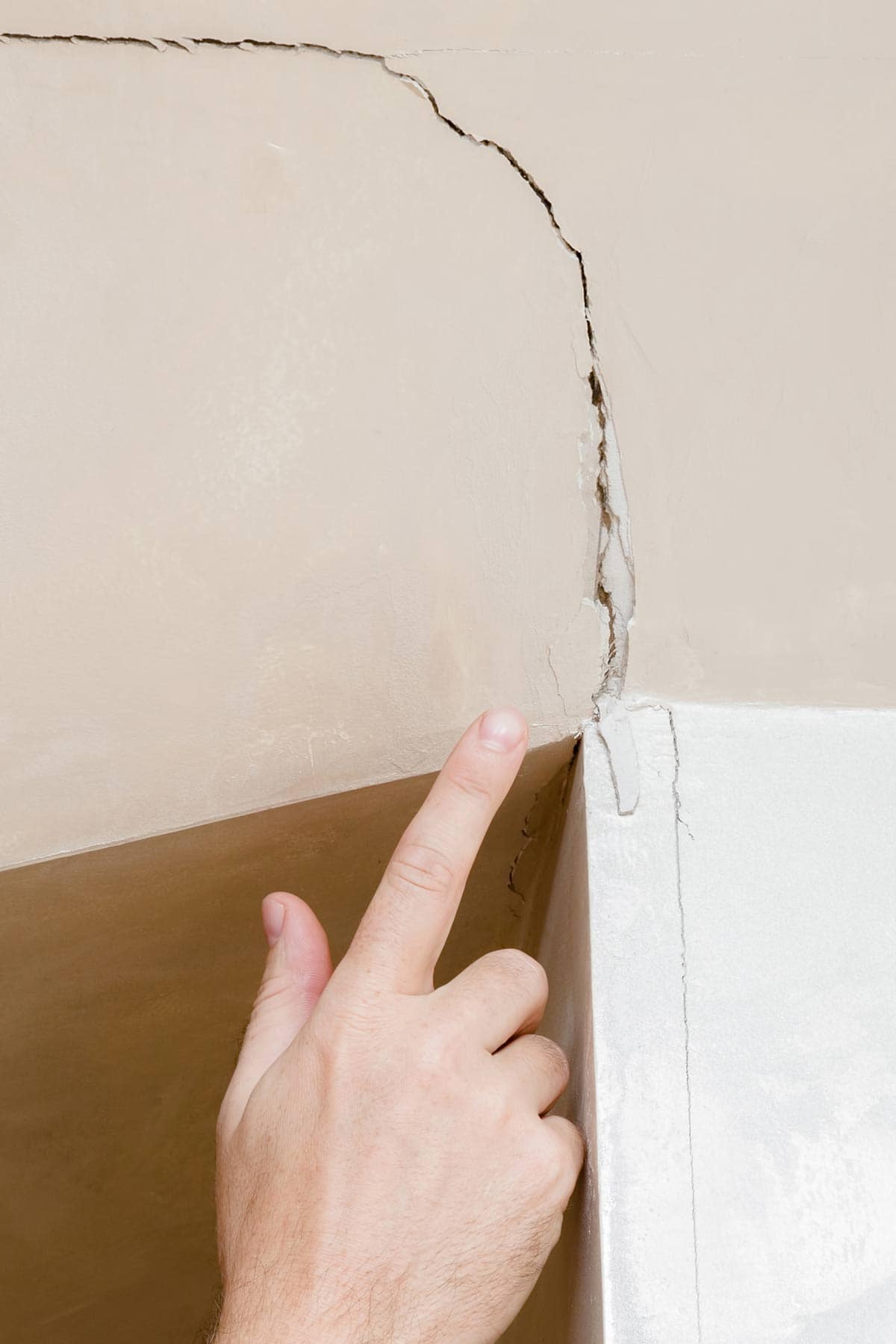
Identifying cracks and holes in drywall is essential for effective home improvement, especially in Main Line projects. Assessing the extent of damage helps determine whether to repair or replace drywall. Common causes of drywall issues in Main Line homes include temperature fluctuations and moisture from heat pumps. Understanding these factors will guide homeowners in selecting the proper patching materials for their specific needs.
Identifying Cracks and Holes in Drywall
Identifying cracks and holes in drywall is a crucial step in drywall repair, especially in Main Line construction projects. Homeowners should look for signs of stress around joints, where pipes may have shifted or where temperature fluctuations have caused expansion and contraction. Using a quality joint compound to fill these imperfections can ensure a smooth finish, making it easier to apply a final coat of paint that blends seamlessly with the surrounding wall.
Assessing the Extent of Damage
Assessing the extent of drywall damage is vital for determining the appropriate repair strategy. Homeowners should inspect areas around wall studs and joints for signs of moisture or structural issues, as these can indicate deeper problems related to drainage or carpentry. Understanding whether the damage is superficial or requires more extensive work will help select the right drywall patching materials, ensuring a durable and practical repair.
Common Causes of Drywall Problems in Main Line Homes
Common causes of drywall problems in Main Line homes often stem from environmental factors and construction practices. For instance, moisture from heat pumps can lead to mold growth and wall deterioration, while improper installation of screws can create weak points that result in cracks. Homeowners should also consider how temperature fluctuations can cause the drywall to expand and contract, necessitating quality sand and brush techniques during repairs to ensure a smooth finish.
Deciding Between Repairing and Replacing Drywall
When deciding between repairing and replacing drywall, homeowners should consider the extent of the damage and its potential long-term impact. For minor issues like small cracks, holes, or corner damage, applying patches with joint compound and a sponge can add seamless coverage, restoring the surface effectively. However, if the drywall shows significant wear, moisture damage, or structural instability, replacement becomes the safer choice to prevent recurring issues like dust or mold.
A general rule is to assess the purpose of the repair: small patches in low-traffic areas may suffice, while damaged corners or load-bearing sections likely require professional intervention. Homeowners ask questions like, “Can I fix this myself?” or “When is replacement necessary?” The answers depend on the damage severity and tools available. For example, sanding ensures smooth finishes after patching, but extensive repairs might require specialized equipment.
If uncertain, consult local advertising for trusted contractors who can evaluate your needs. Whether repairing or replacing, prioritize long-term stability to keep your home safe and visually appealing.
Importance of Selecting Appropriate Patching Materials
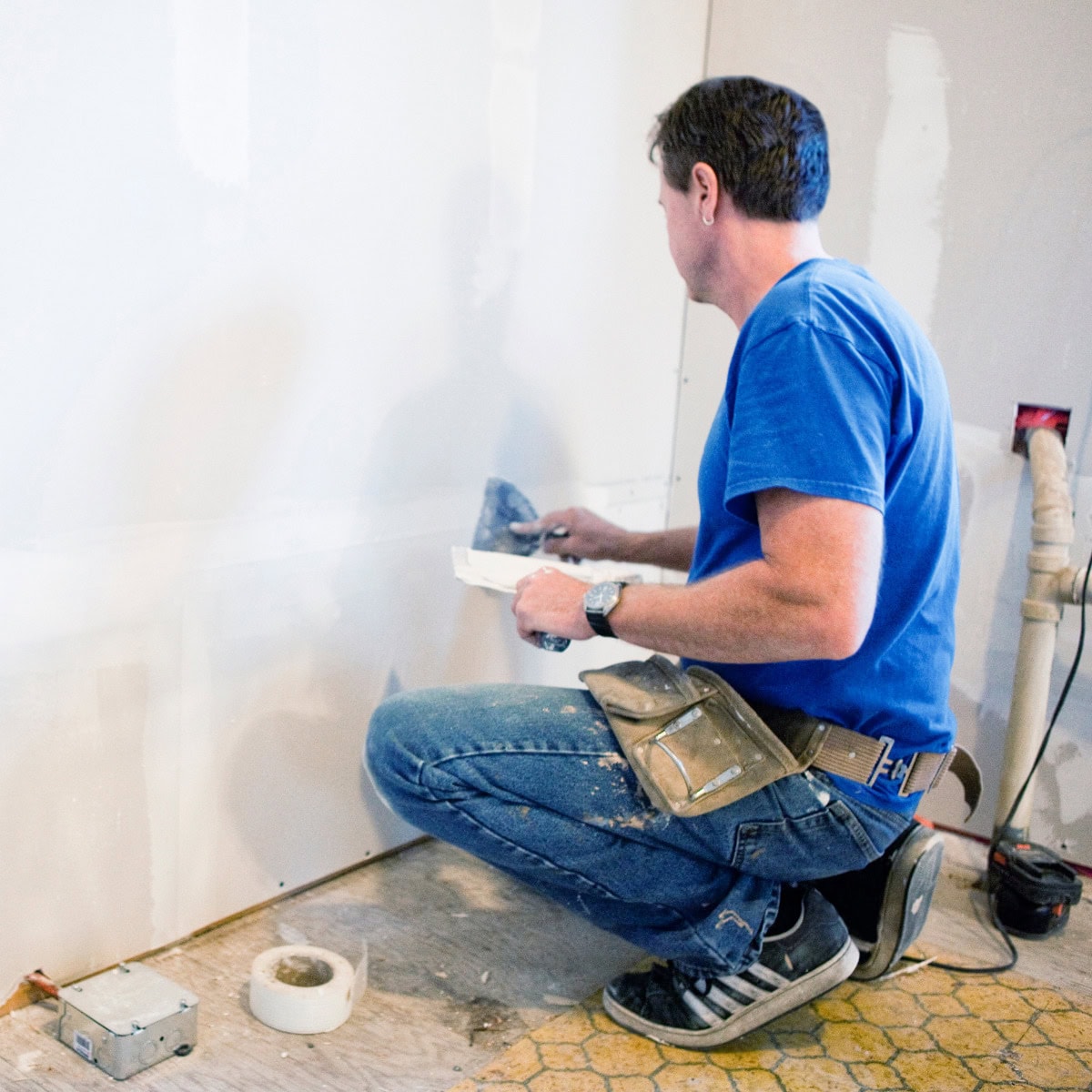
Selecting the appropriate set of patching materials is crucial for ensuring durable wall repair in Main Line projects. The right materials enhance the longevity of drywall patch jobs and contribute to a seamless finish that blends with existing surfaces. For small hole repairs, lightweight spackle or joint compound works well, but larger damage may require the cutout of the affected area and replacing it with a new drywall section.
Understanding technical terms like “mudding” or “taping” helps homeowners communicate effectively with contractors. Balancing cost and quality is essential—opting for cheaper materials might save money upfront, but could lead to recurring issues. For instance, ignoring moisture-resistant options near posts or plumbing could cause future damage. Always log project details, including material choices and timelines, to track progress and budget. By prioritizing these factors, homeowners can achieve lasting results that protect their walls and maintain aesthetic appeal.
Enhancing the Durability of Repairs
Enhancing the durability of drywall repairs begins with selecting the proper patching materials. High-quality joint compounds and mesh tape can significantly improve the strength of the repair, preventing future cracks and damage. For instance, a setting-type compound can provide a more robust bond than standard compounds, making it ideal for areas prone to movement or stress, such as around joints and corners in Main Line homes.
Achieving a Seamless Finish
Achieving a seamless finish in drywall repair requires carefully selecting patching materials that match the existing wall texture and paint. For instance, using a high-quality joint compound can help create a smooth surface that blends well with the surrounding area, minimizing the visibility of repairs. Homeowners should also consider the application technique. Proper sanding and priming can further enhance the final appearance, ensuring that the repaired sections integrate flawlessly with the rest of the wall.
Balancing Cost and Quality
Balancing cost and quality in drywall patching materials is essential for homeowners undertaking Main Line projects. While choosing cheaper options to save money may be tempting, investing in high-quality materials often leads to more durable repairs and fewer issues. For example, using a premium joint compound can enhance the strength of the repair, ultimately saving time and resources by reducing the need for frequent touch-ups or replacements.
Impact on Project Timeline
Choosing drywall patching materials can significantly impact the project timeline for Main Line renovations. High-quality materials often require less time for application and drying, allowing for quicker completion of repairs. For instance, a fast-setting joint compound can reduce waiting periods between coats, enabling homeowners to finish their projects efficiently and avoid extended disruptions in their living spaces.
Exploring Different Types of Drywall Patching Materials

Choosing the right joint compound is essential for effective drywall repairs, as it impacts the overall quality of the finish. For minor repairs, spackle offers a quick and easy solution. Homeowners can also benefit from drywall repair kits, which provide all necessary materials in one package. Additionally, understanding the differences between fiberglass mesh and paper tape can help select the best option for specific repair needs.
Choosing the Right Joint Compound
Choosing the right joint compound is essential for successful drywall repair in main-line projects. Homeowners should consider the specific needs of their repairs, such as the size of the damage and the desired finish. For minor repairs, a lightweight joint compound can provide ease of application and quick drying times. In contrast, a setting-type compound may be more suitable for larger areas that require a stronger bond and durability against future stress.
Using Spackle for Minor Repairs
Spackle is an excellent choice for homeowners tackling minor drywall repairs in their Main Line projects. This lightweight compound is easy to apply and dries quickly, making it ideal for filling small holes and cracks. For best results, homeowners should ensure the surface is clean and dust-free before applying spackle, as this will enhance adhesion and create a smoother finish that blends seamlessly with the surrounding wall.
Benefits of Drywall Repair Kits
Drywall repair kits offer a convenient solution for homeowners tackling minor drywall issues in their Main Line projects. These kits typically include all necessary materials, such as joint compound, tape, and tools, making it easy to achieve professional results without extensive preparation. By providing a comprehensive package, drywall repair kits save time and reduce the hassle of sourcing individual components, ensuring that repairs are completed efficiently and effectively.
Comparing Fiberglass Mesh and Paper Tape
When comparing fiberglass mesh and paper tape for drywall repairs, homeowners should consider the specific needs of their projects. Fiberglass mesh tape is known for its strength and flexibility, making it ideal for areas prone to movement. Paper tape offers a smoother finish and is easier to feather out for a seamless look. Choosing the right tape can significantly impact the durability and appearance of the repair, ensuring that it withstands the test of time in Main Line homes.
Factors to Consider When Choosing Patching Materials
Several factors must be considered when selecting drywall patching materials for Main Line projects. Evaluating the size and type of damage helps determine the appropriate materials. Matching patching materials with existing drywall ensures a cohesive look, while considering environmental conditions in the Main Line can influence material choice. Additionally, assessing skill level for DIY repairs is crucial for achieving successful results.
Evaluating the Size and Type of Damage
Evaluating the size and type of damage is essential for selecting the right drywall patching materials in Main Line projects. Homeowners should assess whether the damage consists of small cracks or larger holes, which will dictate the materials needed for effective repair. For instance, minor cracks may only require a lightweight joint compound, while significant damage might necessitate a setting-type compound for added strength and durability.
Matching Materials With Existing Drywall
Matching patching materials with existing drywall is essential for achieving a cohesive look in Main Line projects. Homeowners should consider the texture and finish of the surrounding drywall to select compatible materials, ensuring that repairs blend seamlessly with the original surface. For example, if the existing drywall has a smooth finish, using a lightweight joint compound will help create a uniform appearance. At the same time, textured surfaces may require specific techniques or materials to replicate the original texture effectively.
Considering Environmental Conditions in Main Line
Environmental conditions on the Main Line must be considered when selecting drywall patching materials. Factors such as humidity levels and temperature fluctuations can significantly affect the performance of patching compounds. For instance, moisture-resistant materials can help prevent mold growth and ensure long-lasting repairs in areas with high humidity. In regions prone to temperature changes, choosing flexible compounds can accommodate expansion and contraction, reducing the risk of future cracks.
Assessing Skill Level for DIY Repairs
Assessing skill level for DIY repairs is crucial when selecting drywall patching materials for Main Line projects. Homeowners with limited experience may benefit from user-friendly products, such as lightweight joint compounds and repair kits, which simplify the process and reduce the risk of errors. Conversely, those with more advanced skills can opt for more substantial materials, like setting-type compounds, to tackle more extensive repairs effectively, ensuring a professional finish that meets their project needs.
Step-by-Step Guide to Patching Drywall

To effectively patch drywall in Main Line projects, homeowners should follow a structured approach. This includes gathering necessary tools and supplies, preparing the damaged area, and applying patching material effectively. Afterward, sanding and finishing techniques ensure a smooth surface. The repaired area is then primed and painted to achieve a seamless look. Each step is crucial for a successful repair.
Gathering Necessary Tools and Supplies
Gathering the necessary tools and supplies is a critical first step in effectively patching drywall in Main Line projects. Homeowners should ensure they have essential items such as a putty knife, sandpaper, joint compound, and drywall tape on hand. Having these tools ready streamlines the repair process and helps achieve a professional finish, efficiently addressing common issues like cracks and holes.
Preparing the Damaged Area
Preparing the damaged area is critical in ensuring a successful drywall repair in Main Line projects. Homeowners should start by cleaning the surface around the damage to remove any dust, debris, or loose material hindering adhesion. Additionally, using a utility knife to trim any ragged edges will create a smooth surface for applying patching materials, ultimately leading to a more professional-looking finish.
Applying Patching Material Effectively
Effectively applying patching material is crucial for achieving a smooth and durable finish in drywall repairs. Homeowners should use a putty knife to spread the joint compound evenly over the damaged area, ensuring it fills all cracks and holes. For more extensive repairs, applying multiple thin layers rather than one thick layer can help prevent cracking and provide a strong bond, ultimately leading to a professional-looking result that blends seamlessly with the surrounding wall.
Sanding and Finishing Techniques
Sanding and finishing techniques are crucial in achieving a professional look for drywall repairs by painters' Main Line PA in Main Line projects. After applying the patching material, homeowners should allow it to dry completely before using fine-grit sandpaper to smooth the surface. This step removes any imperfections and prepares the area for painting, ensuring that the repaired section blends seamlessly with the surrounding wall.
Priming and Painting the Repaired Surface
Priming and painting the repaired surface is a crucial final step in the drywall patching process for Main Line projects. After the joint compound has dried and been sanded to a smooth finish, applying a quality primer helps seal the repaired area and ensures better paint adhesion. This step not only enhances the paint job's durability but also allows for a uniform appearance, effectively blending the patched area with the surrounding wall.
Tips for Successful Drywall Repair in Main Line Projects

Successful drywall repair in Main Line projects involves several key considerations. Homeowners should focus on avoiding common mistakes that can compromise repairs, maintaining drywall after the work is completed, and knowing when to hire a professional for more complex issues. Additionally, accessing resources and support can provide valuable guidance throughout the repair process, ensuring effective and lasting results.
Avoiding Common Mistakes
Avoiding common mistakes during drywall repair is essential for achieving a professional finish in Main Line projects. One frequent error is neglecting to properly prepare the damaged area, leading to poor adhesion and visible imperfections. Homeowners should ensure surfaces are clean and smooth before applying patching materials, as this simple step can significantly enhance the durability and appearance of the repair.
Maintaining Your Drywall Patch After Repair
Maintaining drywall after repair ensures its longevity and appearance in Main Line projects. Homeowners should regularly inspect repaired areas for signs of wear or moisture, as early detection can prevent more significant issues. Additionally, applying a fresh coat of paint every few years enhances the aesthetic. It provides a protective layer that helps shield the drywall from environmental factors, ensuring the repairs remain intact and visually appealing.
Knowing When to Hire a Professional
Homeowners should recognize when a drywall repair exceeds their skill level and consider hiring a professional. Complex issues, such as extensive water damage or structural concerns, often require specialized knowledge and tools that a professional can provide. Engaging an expert not only ensures a high-quality finish but also saves time and reduces the risk of further damage, making it a wise investment for maintaining the integrity of Main Line homes.
Accessing Additional Resources and Support
Accessing additional resources and support can significantly enhance the drywall repair process for homeowners in Main Line projects. Local hardware stores often provide expert advice on selecting the proper patching materials, while online forums and instructional videos can offer practical tips and techniques for effective repairs. Engaging with these resources helps make informed decisions and builds confidence in tackling drywall issues, ensuring a successful outcome for any repair project.
FAQs
What makes the Main Line region’s climate a critical factor in choosing drywall patching materials?
The Main Line’s humid summers and cold winters mean that drywall materials must resist moisture and temperature fluctuations. Using materials that aren’t climate-appropriate can lead to cracking, warping, or mold, so selecting products designed for these conditions is essential for long-term durability and a flawless finish.
Can using the wrong drywall patching compound actually affect the resale value of a Main Line home?
Absolutely. Improper patching can result in visible seams, uneven surfaces, or even structural weaknesses over time. Buyers in the Main Line area often look for high-quality finishes, and visible patching flaws can reduce perceived value or trigger costly repairs, making the right material choice a smart investment.
Why might a professional painter recommend different patching materials for historic Main Line homes versus modern builds?
Historic homes often have older, less stable drywall or plaster, requiring flexible, breathable compounds that won’t crack as the building settles. Modern builds, with newer drywall, may allow for faster-drying, harder-setting compounds. Matching the material to the home’s age and structure ensures a lasting repair.
How does the choice of drywall patching material impact the ease of painting and finishing in a Main Line project?
Some patching materials sand smoother and blend better with surrounding walls, making paint application seamless. Others may shrink or require multiple coats, leading to visible patches. Selecting a material that sands well and matches the wall’s texture saves time and improves the final aesthetic.
Are there eco-friendly drywall patching options that still perform well in Main Line projects?
Yes, several manufacturers now offer low-VOC, non-toxic patching compounds that perform as well as traditional options. These are ideal for Main Line homeowners who prioritize indoor air quality and sustainability, without sacrificing durability or finish quality.
 Main Line, PA