
Exterior Painting Tips
7 Tricks To Preparing For An Exterior Paint Job in Newtown
October 24, 2021
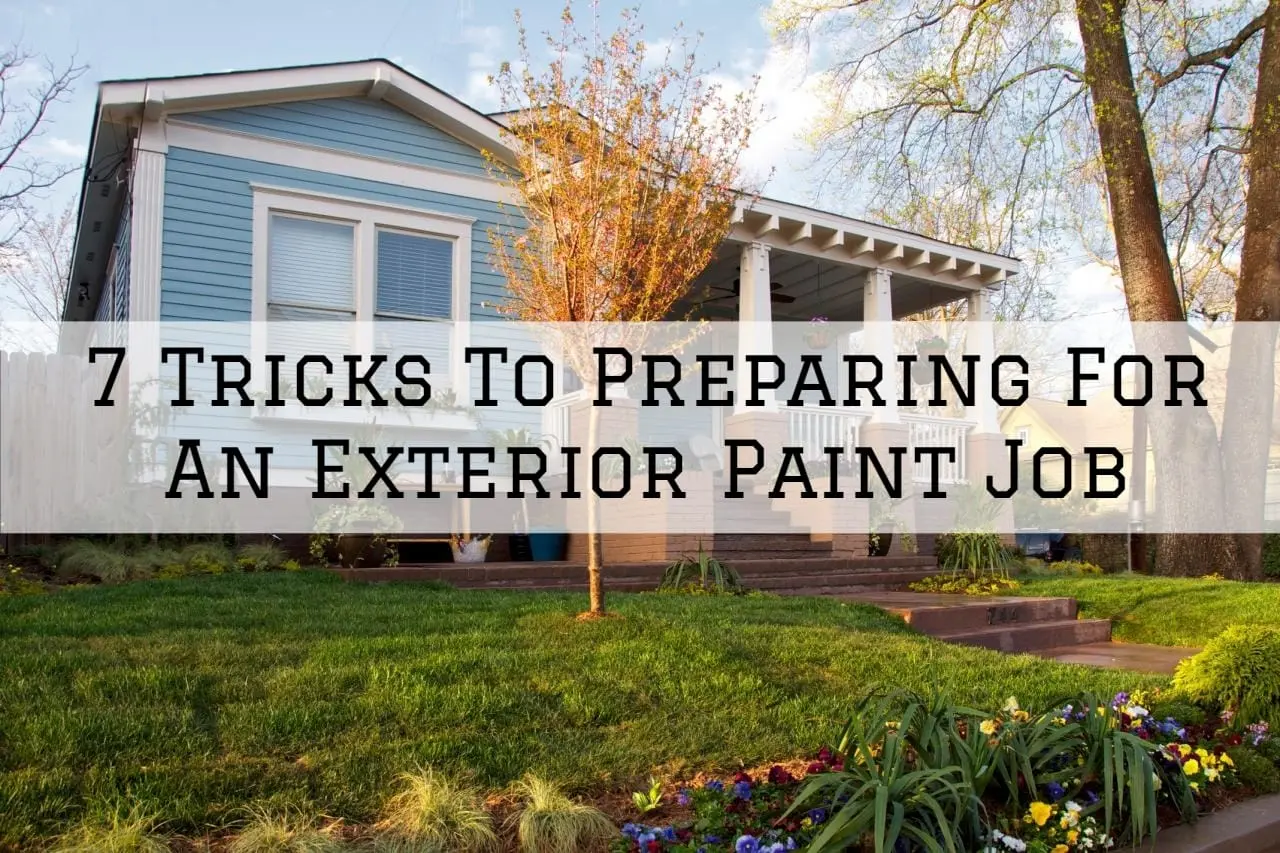
Painting the outside of your home can completely refresh how it looks—but lasting results come from what you do before the first coat ever goes on. In Newtown, PA, sun, rain, and seasonal temperature swings can wear down coatings fast, so the goal is to prep in a way that helps the paint grip tightly and age evenly.
Below is a fully rewritten, copy-paste-ready version that’s meaningfully different from both drafts you shared (different structure, phrasing, and “tricks”), while still staying on-topic and SEO-friendly.
Why prep matters
A quality exterior paint job isn’t just color—it’s a protective layer. If the surface is dirty, damp, or unstable, paint can peel, blister, or look patchy much sooner than expected.
What strong preparation helps you achieve
-
Better adhesion so the finish doesn’t lift or flake early.
-
Cleaner lines and a smoother appearance, especially on trim and repaired areas.
-
Fewer surprises mid-project (like discovering rot after you already started painting).
Trick 1: Walk the house and write a “prep map”
Before buying supplies, do a slow walkaround and note every problem area: peeling paint, cracks, gaps, mildew staining, soft wood, and failing caulk. Think of this as your prep blueprint—because once ladders and drop cloths are out, you’ll work faster if you already know where the trouble spots are.
Prep map checklist
-
South-facing walls (often more sun wear and fading).
-
Shaded sides (often more moisture and mildew risk).
-
Window/door trim seams (common caulk failure points).
-
Bottom edges of siding and trim (splash-back and moisture exposure).
Trick 2: Pick the right weather window (and don’t fight humidity)
Timing is part of preparation. Choose days that support drying—both for washing and for primer/paint. If conditions are damp, shaded areas can stay wet longer than you expect, which makes paint performance worse.
Mentioning this matters for your audience: many homeowners around Philadelphia underestimate how humidity can slow drying and affect the final result, especially on less-sunny sides of the home. If you’re scheduling a project anywhere near Philadelphia, plan extra drying time after washing and priming.
Trick 3: Clear the “work zone” so you can paint efficiently
Most exterior paint mess happens because the area wasn’t staged. Move items away from the house so you’re not constantly stopping to protect something.
Stage the exterior like a jobsite
-
Pull furniture, grills, and planters away from the perimeter.
-
Trim back shrubs so you can reach siding and trim without bending branches.
-
Identify where ladders will sit so you don’t crush landscaping later.
Trick 4: Clean like you mean it (and treat mildew the right way)
Even great paint won’t bond to grime, chalky residue, or mildew. Wash the surface thoroughly so primer and paint can grip the substrate rather than the dirt on top of it.
Better cleaning approach
-
Start dry: brush away cobwebs and loose debris.
-
Wash: pressure wash carefully (or scrub/rinse depending on siding).
-
Treat mildew: address it directly (don’t just “paint over” stains).
-
Dry fully: give the exterior enough time so you’re not sealing in moisture.
Trick 5: Make repairs before sanding and priming
Repairs are not optional—paint can’t “hide” damaged wood, failed caulk, or loose edges. Fixing these areas first gives you a stable surface and prevents water intrusion that can ruin a fresh finish.
Common Newtown repair items
-
Replace or repair rotted trim/boards (especially near gutters and sills).
-
Re-caulk open seams around trim, windows, and doors.
-
Patch minor holes or dents so the surface looks consistent after painting.
Trick 6: Scrape, then feather-sand for invisible transitions
A lot of DIY paint jobs fail visually because the edges of old paint weren’t blended. Scraping removes loose paint, but sanding is what makes the edges disappear.
Where to focus sanding
-
Anywhere paint is peeling or flaking.
-
Around patches and filled cracks.
-
On trim (because trim shows imperfections more than siding).
The goal is a smooth, gradual transition so you don’t see a “ridge” through the finished paint.
Trick 7: Prime with a purpose (not automatically everywhere)
Primer isn’t just “extra paint.” It’s a bonding and leveling layer that helps topcoats look even and last longer—especially on repairs, bare wood, and heavily sanded areas.
Prime these areas
-
Bare wood.
-
Filled/patch-repaired sections.
-
Chalky or worn-down surfaces.
-
Places where you sanded down to a different layer.
If your home has multiple old layers (common in older properties near Philadelphia), targeted priming plus solid prep can prevent uneven sheen and patchy coverage.
Bonus: Safety + ladder setup (don’t let prep become the risk)
Exterior work often requires ladders, and the most expensive “painting problem” is an injury. Set ladders on stable ground, avoid overreaching, and stop if surfaces are slippery or soft.
Smart safety habits
-
Keep ladders on firm, level ground.
-
Don’t stretch—move the ladder instead.
-
Wear eye protection when scraping/sanding.
-
Keep kids and pets out of the active work zone.
When it’s worth calling a pro
Consider professional help if you have widespread peeling, tall/steep ladder work, recurring moisture issues, or significant wood repairs. Pros can also help you select the right prep method and primer system for your exact siding and condition—often saving money by preventing early repainting.
FAQs
1) How far in advance should I prep for an exterior paint job?
Start planning 1–2 weeks early so you have time for repairs, washing, and drying without rushing critical steps.
2) Do I have to pressure wash before painting?
Not always, but the surface must be thoroughly clean. If pressure washing could damage your siding, scrub-and-rinse cleaning can still work well.
3) Why does paint peel even when I buy “good paint”?
Peeling is usually a prep issue—moisture, dirt, loose paint edges, or failing caulk can break adhesion no matter how premium the topcoat is.
4) What should I do with cracking caulk around windows and doors?
Remove failing caulk, clean the joint, and re-caulk with an exterior-grade product before priming/painting to reduce water intrusion.
5) Should I prime the whole house or only spots?
Many homes only need spot priming (repairs, bare areas, heavy sanding). Full priming is helpful when surfaces are chalky, stained, or uneven.
If you need professional help with your interior/exterior painting project, PAINT Philadelphia can help.
Our home interior/exterior painting services are available in Newton, Holland, and Richboro, PA.
Related: 7 Ways To Update The Look Of Your Home’s Exterior On A Budget in Newtown, PA
5 Exterior Paint Problems And Solutions on How To Fix Them in Newtown, PA

Andrew Tomasetti is not just a painting contractor, he is the owner of Paint Philadelphia; a painting company in the greater Philadelphia area that services the Holland, Newtown, Churchville, Yardley, Richboro areas.
Andrew Tomasetti is both a veteran and an engineer. His passion for hands-on work comes from his father and uncle and runs deep in his veins.
Ready to get started?
Let’s get your project painted.
Schedule a free in-home consultation or call us at (267) 229-4333.