
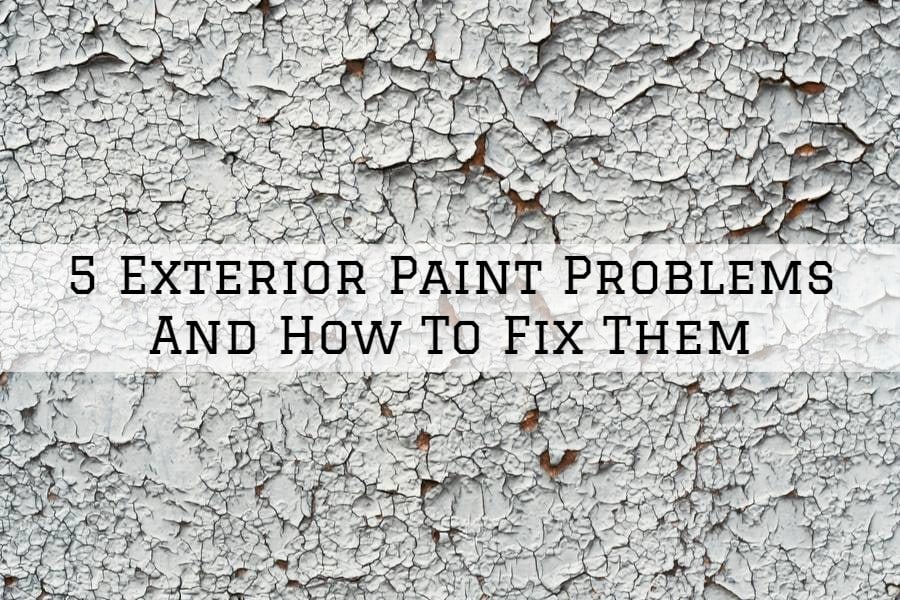
Exterior paint is constantly exposed to the elements—sun, rain, wind, and temperature swings—making it vulnerable to a range of issues. Whether you’re in Newtown, PA, or anywhere across the Philadelphia area, understanding these problems and their fixes can help keep your home looking its best for years to come.
Peeling Paint
Peeling paint is a widespread issue, especially after harsh weather or if the surface wasn’t properly prepped. Causes include painting over dirty, wet, or glossy surfaces, not allowing enough drying time between coats, or using inferior paint. To fix peeling paint, remove all loose paint with a scraper, sand the area smooth, prime the surface, and apply a durable, high-quality exterior paint. In Philadelphia, where winters are tough and humidity is common, regular inspections and maintenance are crucial for long-lasting results.
Mildew
Mildew is a fungus that thrives in damp, shaded areas, appearing as green, gray, brown, or black spots. It’s common in Philadelphia’s humid climate, particularly on north-facing walls or areas with poor airflow. To eliminate mildew, clean the area with trisodium phosphate (TSP) or a mildew remover, rinse thoroughly, and let the surface dry completely before repainting. Always use a primer and a mildew-resistant exterior paint to prevent future growth. Proper ventilation and regular cleaning can also help keep mildew at bay.
Blistering Paint
Blistering, or bubbling, occurs when paint is applied in extreme heat or on a wet surface, trapping moisture or solvent vapor. This problem is frequent during Philadelphia’s hot summers, especially on wood trim and siding. To repair blistering paint, scrape off the affected areas, sand down to bare wood, allow the wood to dry fully, prime, and repaint. Timing your painting projects for moderate temperatures and ensuring proper ventilation can help prevent this issue.
Rust Stains
Rust stains are caused by non-corrosion-resistant nails, popped nails, or excessive sanding that removes protective coatings. These stains are common on older homes in Philadelphia, where original hardware may not be up to modern standards. To fix rust stains, replace steel nails with stainless steel or galvanized ones, hammer popped nails flush, sand rusted heads, and apply a stain-blocking primer. High-quality paint and regular maintenance will help prevent future stains.
Alligatoring and Checking
Alligatoring refers to a cracked, reptile-like pattern in the paint film, while checking is a less severe form with long, spaced cracks. These issues are caused by applying a second coat over a wet or incompatible first coat, or by the loss of elasticity in oil-based paints over time. To fix alligatoring and checking, scrape off old paint, sand until smooth, prime, and apply a second coat only when the first is completely dry. High-quality paint and proper application techniques are essential for preventing these problems, especially in Philadelphia’s changing seasons.
Frequently Asked Questions
1. What causes exterior paint to peel in Philadelphia?
Peeling paint is often due to poor surface preparation, using low-quality paint, or painting in adverse weather conditions. Philadelphia’s humid climate and frequent temperature changes can accelerate peeling, especially if surfaces aren’t cleaned and primed before painting. Regular maintenance and using high-quality, weather-resistant paint can help prevent peeling.
2. How do I remove mildew from exterior paint in Newtown, PA?
To remove mildew, scrub the affected area with trisodium phosphate (TSP) or a mildew remover, rinse thoroughly, and let the surface dry completely before repainting. Use a mildew-resistant exterior paint and prime bare wood to prevent recurrence. Proper ventilation and regular cleaning are also important in Philadelphia’s humid climate.
3. Why does exterior paint blister, and how can I fix it?
Blistering occurs when paint is applied in extreme heat or on a wet surface, trapping moisture or solvent vapor. To fix, scrape off blistered paint, sand to bare wood, let the wood dry completely, prime, and repaint. Timing your painting projects for moderate temperatures and ensuring proper ventilation can help prevent blistering.
4. How do I prevent rust stains on exterior paint in Philadelphia?
Rust stains are caused by non-corrosion-resistant nails or excessive sanding. Prevent rust by using stainless steel or galvanized nails, hammering popped nails flush, sanding rusted heads, and applying a stain-blocking primer. High-quality paint and regular maintenance will help prevent future stains, especially on older homes in Philadelphia.
5. What is alligatoring, and how can I fix it on my home’s exterior?
Alligatoring is a cracked, reptile-like pattern in the paint film, caused by applying a second coat over a wet or incompatible first coat, or by the loss of elasticity in oil-based paints over time. To fix, scrape off old paint, sand until smooth, prime, and apply a second coat only when the first is completely dry. High-quality paint and proper application techniques are essential for preventing alligatoring, especially in Philadelphia’s changing seasons.
If you need professional help with your interior/exterior painting project, PAINT Philadelphia can help.
Our home interior/exterior painting services are available in Newton, Holland, and Richboro, PA.
Call us today at (267)682-8377 for a FREE painting estimate.
Related: 7 Tips For Painting Your Home’s Exterior in Newtown, PA
7 Tips For Painting The Interior Of Your Home In Newtown
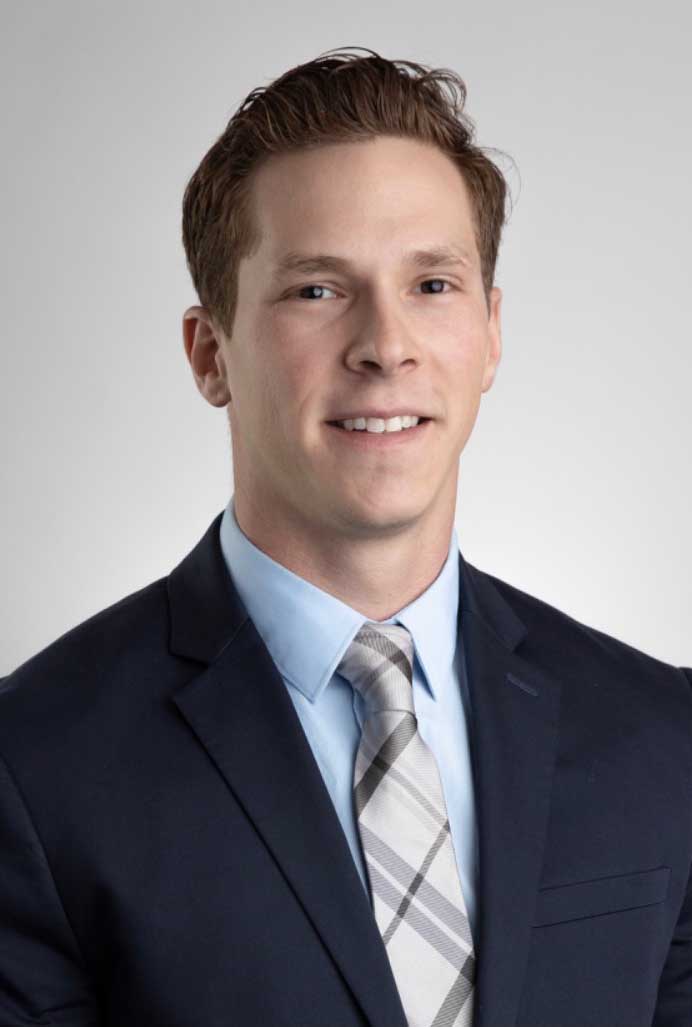
Andrew Tomasetti is not just a painting contractor, he is the owner of Paint Philadephia; a painting company in the greater Philadephia area that services the Holland, Newtown, Churchville, Yardley, Richboro areas.
Paint Philadephia is an interior, exterior and cabinet painting company that offers their customers top-notch services and their exclusive “On Time, On Dime” guarantee. They take a holistic view to all of their paint jobs offering free color and design consults, test samples, free touch ups on all painting projects, and warranties on all of their work.
Andrew Tomasetti is both a veteran and an engineer. His passion for hands-on work comes from his father and uncle and runs deep in his veins.