
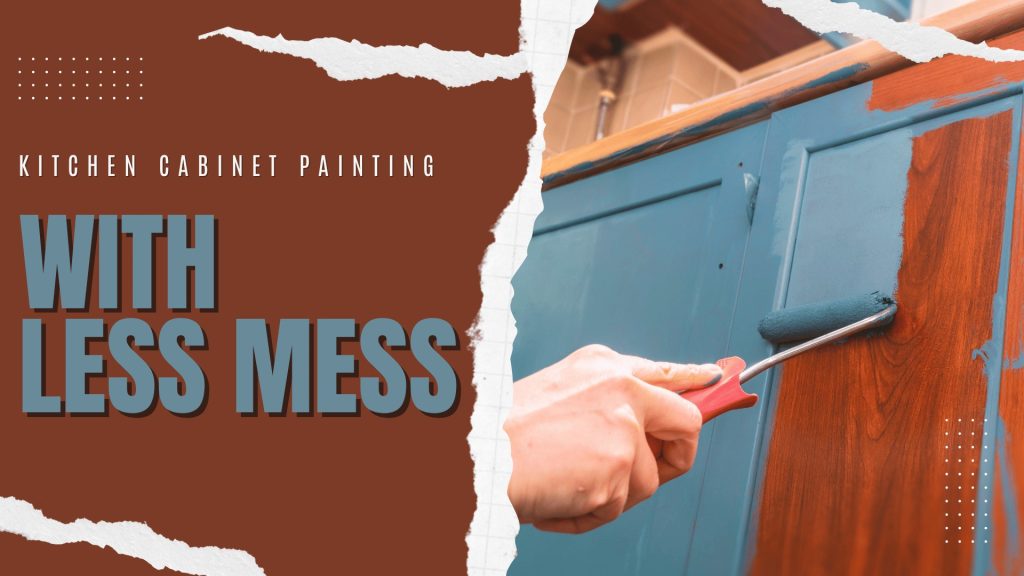
Kitchen cabinet painting is one of the most effective ways to give your kitchen a fresh, modern look without undergoing a full remodel. In Richboro, PA, many homeowners choose to repaint their cabinets instead of replacing them, preserving the existing layout while dramatically improving aesthetics and functionality. However, cabinet painting can quickly become messy, stressful, and disruptive if it’s not approached with the right strategy and tools.
At PAINT Philadelphia, we specialize in kitchen cabinet painting with less mess and minimal disruption for homes in Richboro, Newtown, Holland, and surrounding areas. Our team follows a structured, professional process that keeps your kitchen protected, reduces dust and paint splatter, and delivers a long‑lasting, high‑quality finish.
Below, we’ll walk you through a new, detailed approach to kitchen cabinet painting that keeps everything clean, organized, and efficient—perfect for homeowners who want a polished result without the chaos.
Why Kitchen Cabinet Painting Is Worth It
Painting your kitchen cabinets is more than just a cosmetic upgrade; it’s a smart investment in both appearance and value. Modern paints and finishes can transform outdated or worn cabinets into a sleek, contemporary focal point that instantly modernizes your space.
Key benefits include:
-
Cost savings – Replacing cabinets can cost thousands, while professional cabinet painting is a fraction of the price.
-
Time efficiency – A full cabinet replacement can take weeks of planning and installation; painting typically finishes in days.
-
Minimal disruption – Unlike demolition and construction, a well‑managed cabinet painting project keeps your kitchen mostly usable.
-
Environmental impact – Refinishing cabinets reduces waste and avoids the carbon footprint of manufacturing and shipping new cabinetry.
In and around Philadelphia, many homeowners are turning to cabinet painting to refresh older homes, update rental properties, or prepare houses for resale—all while keeping budgets and timelines under control.
How to Paint Kitchen Cabinets With Less Mess: A Fresh Approach
To keep your kitchen clean and organized during a cabinet painting project, it helps to follow a clear, step‑by‑step process designed specifically for low‑mess environments.
1. Plan Your Timeline and Protect Key Areas
Before picking up a brush, spend time planning your project timeline and understanding how long each step will take. This helps you schedule around family routines, meal prep, and other kitchen activities.
To protect your space:
-
Remove all appliances, small items, and clutter from countertops and cabinets.
-
Cover the floor with heavy‑duty drop cloths or canvas tarps instead of plastic, which can tear and slide easily.
-
Tape off areas around the sink, countertops, and backsplash using high‑quality painter’s tape to prevent accidental paint lines.
-
Use cardboard or foam padding to protect any fragile fixtures or edges that might be bumped during the project.
A well‑planned layout not only keeps things organized but also makes cleanup faster and more efficient.
2. Remove and Label Cabinet Components
Trying to paint cabinets in place often leads to brush marks, uneven coverage, and excess paint buildup. Instead, remove doors, drawers, and hardware for a cleaner, more controlled finish.
Best practices:
-
Remove all knobs, handles, hinges, and drawer pulls, and store them in labeled bags or containers.
-
Label each cabinet door and drawer with matching numbers or letters so you know exactly where they go after painting.
-
Lay doors flat on sawhorses or a sturdy workbench to allow for smooth, even paint application.
-
Keep screws and hardware grouped by cabinet section to avoid confusion during reassembly.
By taking the time to remove and label everything, you open up more space to work and reduce the risk of accidental drips or overspray on nearby surfaces.
3. Deep Clean and Prep Every Surface
Cabinets are constantly exposed to cooking oils, food residue, and everyday wear, which can interfere with paint adhesion if not addressed properly. A thorough cleaning and prep stage is essential for a durable, long‑lasting finish.
Cleaning steps:
-
Use warm water and a mild degreaser to scrub cabinet doors, drawer fronts, and frames.
-
Rinse with a clean, damp cloth to remove any cleaning residue.
-
Allow all surfaces to dry completely before sanding or painting.
Prep steps:
-
Lightly sand the cabinet surfaces with fine‑grit sandpaper to create a smooth, even base.
-
Wipe away dust with a tack cloth or microfiber cloth.
-
Repair any cracks, dents, or chips with wood filler or spackling, then sand again once dry.
This deep‑clean and prep process ensures that the paint adheres evenly and reduces the likelihood of peeling or bubbling later.
4. Use the Right Paint and Application Techniques
Choosing the right paint and tools can make a huge difference in how smooth and clean your cabinet painting project turns out. Cabinet‑specific paints are formulated to be more durable, resistant to moisture, and less prone to dripping.
Tips for a cleaner application:
-
Use a high‑quality cabinet primer followed by a semi‑gloss or satin finish designed for cabinetry.
-
Apply paint in thin, even coats using a combination of brushes and foam rollers for smooth coverage.
-
A small angled brush works well for corners and edges, while a foam roller helps achieve a consistent finish on flat surfaces.
-
Avoid overloading the paintbrush or roller to prevent drips and runs.
By applying thin, even coats and allowing each layer to dry fully, you create a smoother, more professional‑looking finish with fewer touch‑ups needed later.
5. Work in a Controlled Environment and Minimize Drips
To truly keep your kitchen clean, it helps to move as much of the painting work off‑site or into a controlled environment whenever possible. This reduces airborne dust, paint mist, and overspray in your living space.
Low‑mess strategies:
-
If possible, remove doors and drawers and paint them in a separate, well‑ventilated area.
-
Use a spray system or HVLP (high‑volume, low‑pressure) sprayer for an ultra‑smooth finish with minimal brush marks.
-
Keep a damp cloth nearby to wipe up any drips immediately and avoid dried paint buildup.
-
Cover the surrounding area with additional drop cloths to catch any stray paint or overspray.
Working in a controlled environment not only keeps your kitchen cleaner but also makes it easier to achieve a high‑quality, professional‑grade finish.
6. Reassemble and Inspect for a Polished Finish
Once the paint is fully dry and cured, it’s time to reassemble the cabinets and inspect the final result.
Reassembly steps:
-
Reinstall cabinet doors and drawers using the labeled hardware and components.
-
Reattach knobs, handles, and hinges, making sure everything lines up evenly.
-
Inspect each cabinet for any missed spots, drips, or uneven areas and touch them up as needed.
Final inspection:
-
Check that all surfaces are smooth and free of visible imperfections.
-
Ensure that doors and drawers open and close smoothly without any paint buildup interfering with the movement.
-
Remove all protective coverings and tape, and clean the surrounding area to restore the kitchen to its original condition.
A careful reassembly and inspection process ensures that your newly painted cabinets look polished, professional, and ready to withstand daily use.
7. Long‑Term Maintenance and Care Tips
To keep your newly painted cabinets looking their best, it’s important to follow a simple maintenance routine. This helps protect the finish and extends the life of the paint job.
Maintenance tips:
-
Clean the cabinets regularly with a mild soap and water solution using a soft cloth.
-
Avoid using harsh chemicals, abrasive cleaners, or scrubbing pads that can damage the finish.
-
Wipe up spills and splatters promptly to prevent stains or discoloration.
-
Inspect the cabinets periodically for any signs of chipping, peeling, or wear and address them early with touch‑ups.
By following these simple maintenance practices, you can enjoy beautiful, long‑lasting cabinetry for years to come.
FAQs
1. How long does it take to paint kitchen cabinets in Richboro, PA?
Most kitchen cabinet painting projects in Richboro take between 5 and 10 days from start to finish, depending on the size of the kitchen, the condition of the cabinets, and the number of coats applied. Our process includes removal, cleaning, sanding, priming, painting, drying, and reassembly. Because we recommend allowing adequate curing time, we never rush the job to ensure a durable, long‑lasting finish. In the Philadelphia region, many homeowners schedule their projects during weekends or school breaks to reduce disruption.
2. Will there be a lot of dust and mess in my kitchen during the painting
One of the main advantages of working with PAINT Philadelphia is that we minimize dust and mess. Much of the prep and painting happens off‑site in a controlled environment, and when we work in your home, we use protective coverings, dust‑collection tools, and careful cleanup protocols. Unlike DIY attempts that can leave behind sanding dust and paint splatter, our system keeps your kitchen as clean as possible throughout the project.
3. What type of paint do you use on kitchen cabinets?
We use high‑quality, durable cabinet paints that are specifically formulated for kitchen use. These paints are resistant to moisture, grease, and frequent cleaning, making them ideal for high‑traffic areas. For Richboro and surrounding Philadelphia neighborhoods, we usually recommend semi‑gloss or satin finishes, which provide a smooth, easy‑to‑clean surface without looking too shiny. Our team can also provide color samples and test patches so you can see how different finishes look in your kitchen’s lighting.
4. Can you paint oak or other wood cabinets without them looking cheap?
Absolutely. Many of our clients in Richboro have oak or other wood cabinets they want to update instead of replacing. With proper prep, priming, and multiple thin coats of paint, we can transform even dated wood cabinets into a modern, cohesive look. The key is using the right primer and avoiding visible brush strokes, which our professional spray system helps achieve. We’ve helped numerous homes in the Philadelphia area transform their kitchens while preserving the structural integrity of their cabinets.
5. How do I maintain and clean my newly painted cabinets?
After your cabinets are painted, it’s important to follow a simple maintenance routine to keep them looking their best. For the first few weeks, avoid using harsh cleaners or abrasive pads that can scratch the finish. Instead, use a mild soap and water solution with a soft cloth to wipe spills and fingerprints. Over time, regularly dusting and spot‑cleaning will help preserve the finish. If you ever notice chipping or minor damage, our team offers touch‑up services for homes in Richboro and the broader Philadelphia area.
If you need professional help with your interior/exterior painting project, PAINT Philadelphia can help.
Our home interior/exterior painting services are available in Newtown, Holland, and Richboro, PA.
Related: Dining Room Accent Wall Painting Mistakes To Avoid In Holland, PA
Bathroom Ceiling Painting With Less Mess In Newton, PA

Andrew Tomasetti is not just a painting contractor, he is the owner of Paint Philadephia; a painting company in the greater Philadephia area that services the Holland, Newtown, Churchville, Yardley, Richboro areas.
Paint Philadephia is an interior, exterior and cabinet painting company that offers their customers top-notch services and their exclusive “On Time, On Dime” guarantee. They take a holistic view to all of their paint jobs offering free color and design consults, test samples, free touch ups on all painting projects, and warranties on all of their work.
Andrew Tomasetti is both a veteran and an engineer. His passion for hands-on work comes from his father and uncle and runs deep in his veins.