
Interior Painting Tips
Hallway Painting Tips You Should Know in Newtown, PA | PAINT Philadelphia
June 29, 2023
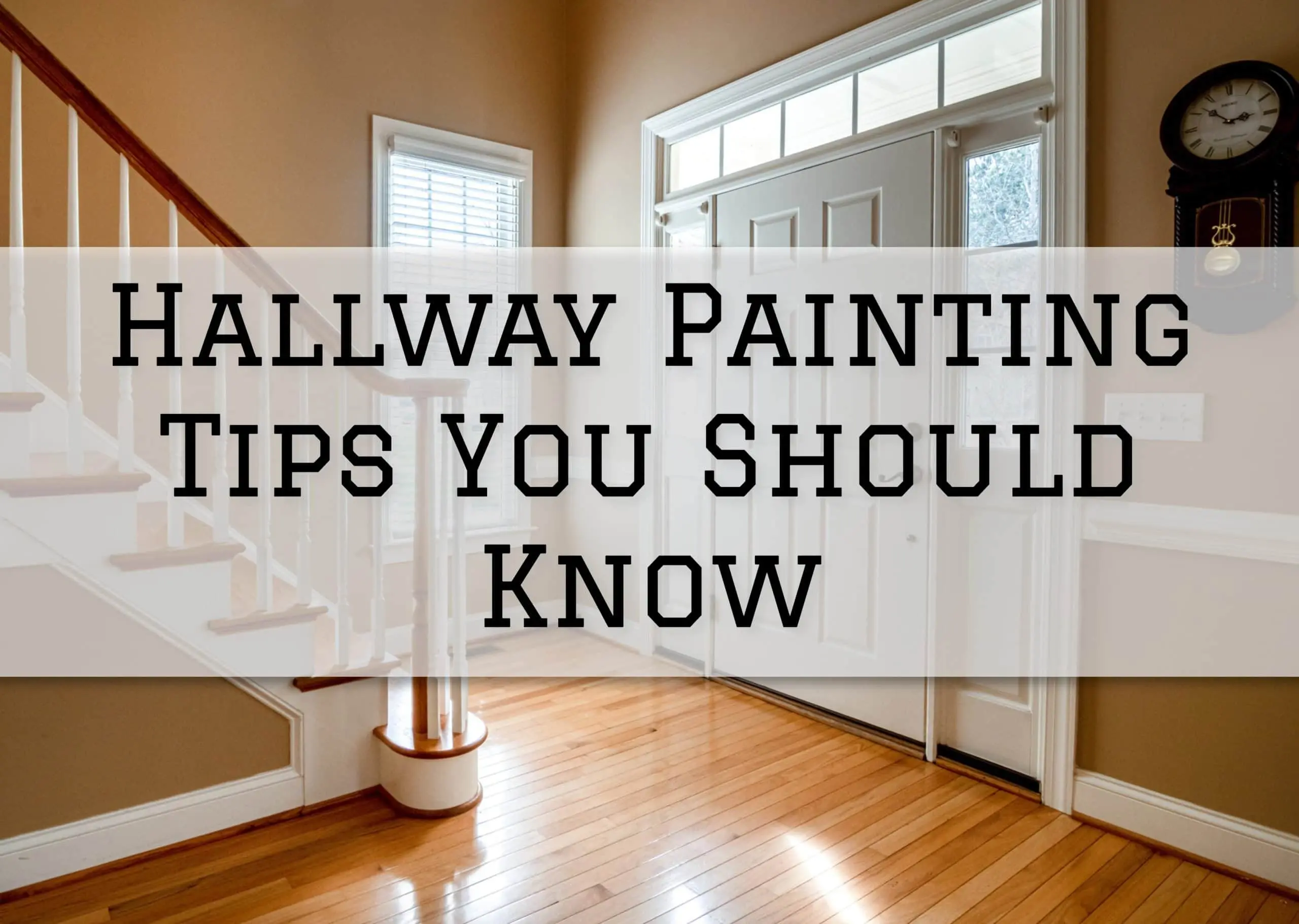
The hallway is one of the most functional yet underappreciated spaces in any home. It’s the first area guests see when they step through your front door, guides them to key rooms, and sets the overall mood before they even reach the living room or kitchen. In many homes in Newtown, PA, a narrow or poorly lit hallway can feel cramped or dull, while a thoughtfully painted one can feel bright, welcoming, and even slightly luxurious.
If you’re planning a hallway painting project, it’s important to treat it with the same level of attention as your main living areas. A well‑planned hallway paint job can improve brightness, enhance traffic flow, and create a strong first impression that reflects the care you put into your whole home. This guide will walk you through the key decisions—from color selection and lighting to trim work and professional prep—so your hallway looks polished and lasts for years.
1. Think of the Hallway as a Design Statement
Before you pick up a paint roller, consider how you want people to feel when they walk through your hallway. Instead of treating it as just a passageway, envision it as a mini gallery or transition space that connects different parts of your home. This mindset will help you make more intentional choices about color, lighting, and layout.
For many Newtown homes, the hallway is the first interior space visitors encounter. That means the paint color, wall decor, and overall brightness immediately influence how they perceive the rest of the house. If the hallway feels clean, bright, and coordinated, the rest of the home will feel more unified and inviting.
In homes serving the Philadelphia region, hallways often reflect the age of the property—older homes may have narrow layouts, low ceilings, or dated paint. A fresh hallway refresh can modernize the entire look of the house without requiring a full renovation, making it a smart first project when you’re updating your interior.
2. Choose Colors That Fit Your Lifestyle and Space
Color is one of the most powerful tools you have when it comes to hallway painting. The right shade can make a small space feel larger, a dark corner feel brighter, and a plain corridor feel more stylish. Because the hallway is visible from multiple rooms, it’s important to choose a color that complements the overall palette of your home.
For Newtown and nearby suburbs, neutral tones like soft gray, warm beige, or clean white are popular choices because they create a calm, timeless look. These shades work well with almost any furniture style and can easily adapt when you update rugs, artwork, or decor later. They also tend to make narrow hallways feel more open and less claustrophobic.
If you want to add personality, consider a soft accent wall in a muted color such as sage green, dusty blue, or warm terracotta. An accent wall can be placed at the end of the hallway to draw the eye forward, or on one side to break up a long corridor. This approach is especially effective in homes around the Philadelphia area, where hallways often connect multiple levels or rooms.
If you’re unsure which color will work best, many local painters—such as PAINT Philadelphia—offer free color consultations. They can bring swatches to your home and test them in different lighting conditions throughout the day, helping you choose a hallway color that looks great in both morning and evening light.
3. Make Narrow Hallways Feel Larger and Brighter
Many homes in Newtown, PA have relatively narrow hallways, especially older properties with compact floor plans. If your hallway feels tight or boxy, the right painting strategy can visually expand the space and make it feel more comfortable.
One of the most effective tricks is to use light, reflective colors on the walls. Shades like off‑white, light gray, or pale beige bounce light around the room and help the eye perceive more space. In homes with limited natural light, this can make a noticeable difference in how welcoming the hallway feels every day.
You can also experiment with two‑tone treatments to add depth without overwhelming the space. For example, painting the lower half of the wall in a slightly darker tone and the upper half in a lighter shade can create a subtle visual break that makes the ceiling feel taller. This technique works particularly well in homes in the Philadelphia region, where older ceiling heights can make hallways feel lower.
Another simple trick is to repeat the same color on the walls, trim, and even the ceiling. This creates a continuous, seamless look that can make a narrow hallway feel more open and less “chopped up.” In homes with older architecture, this consistent color scheme can also help unify mismatched rooms and updates that may have been added over the years.
4. Use Lighting to Enhance Your Hallway Paint
Lighting is just as important as paint when it comes to hallway design. The way your hallway looks in the morning, afternoon, and evening can change dramatically depending on the fixtures and bulbs you use. Because hallways often receive limited natural light, artificial lighting plays a major role in how your paint color appears.
If your hallway feels dark or gloomy, consider adding extra lighting fixtures such as recessed ceiling lights, wall sconces, or a small pendant. These additions can dramatically brighten the space and add visual interest. In many homes in the Philadelphia area, professional painters recommend pairing a fresh paint job with updated lighting to achieve the best possible result.
Wall sconces are especially useful in hallways because they can highlight artwork, mirrors, or architectural details and help guide the eye down the corridor. They also create a layered, inviting look that feels more curated than a single overhead light. In older homes with original fixtures, upgrading to modern, high‑CRI bulbs can improve both brightness and color accuracy, making your hallway paint look more true to life.
If you’re unsure which color will work best with your lighting, ask a professional painter to test several swatches at different times of day. This simple step can prevent surprising color shifts and ensure your hallway looks great in both natural and artificial light.
5. Create a Smooth Flow Between Rooms
Because hallways connect multiple rooms, they should feel like a natural extension of the rest of your home rather than a disconnected space. A well‑planned hallway paint job can help tie together different rooms with contrasting styles or color schemes.
If you’re using a neutral hallway color, you can carry that shade into adjacent rooms to create a smooth transition. For example, using the same soft gray in the hallway and the living room can help the eye move comfortably from one space to the next. This approach works especially well in homes where hallways lead directly into major living areas or staircases.
In homes with contrasting room colors, such as a darker living room and a brighter kitchen, the hallway can act as a neutral buffer zone. A calm, mid‑tone color can help your eye reset between spaces, making the design feel more cohesive. This is particularly useful in older homes in the Philadelphia region, where different paint schemes may have been applied over many years.
You can also use the hallway to preview the style of the rest of the home. For example, a subtle accent wall or a few well‑placed pieces of artwork can give guests a sense of the design story they’ll find in the living room or dining area. This makes the hallway feel intentional and well‑designed, rather than just a practical passageway.
6. Finish the Ceiling and Trim for a Polished Look
Many homeowners focus only on the walls when planning hallway painting, but the ceiling and trim play a critical role in how the entire space is perceived. When these elements are ignored, the finish can look uneven or incomplete.
Most hallway ceilings are best painted in a clean, light shade—often slightly lighter than the walls—to keep the space feeling open and airy. White or off‑white is a popular choice because it reflects light and helps the ceiling feel higher. However, if you want a more unique look, you can try a very soft colored ceiling that coordinates with the walls, as long as the tone remains light and subtle.
Trim around baseboards, doors, and crown molding should typically be painted in a neutral white or off‑white to provide contrast and definition. This helps the hallway “frame” feel more polished and gives the eye clear lines to follow. If you prefer a more modern look, you can also paint the trim in a slightly darker version of the wall color to create a soft, integrated effect.
In older homes serving the Philadelphia area, trim and ceilings may have multiple layers of paint or uneven finishes. A professional painter can sand, prime, and repaint these areas to match the new wall color, ensuring a seamless, cohesive look from floor to ceiling.
7. Prepare the Hallway Properly Before Painting
Even the best color choices and finishes won’t look great if the hallway wasn’t prepped correctly. Proper preparation is essential for a smooth, long‑lasting hallway painting job.
Start by cleaning the walls thoroughly to remove dust, fingerprints, and any grime that has built up over time. In older homes around Philadelphia, hallways can accumulate years of contact marks, especially around light switches and door handles. Wipe down the surfaces with a mild detergent solution, then let them dry completely before painting.
Next, inspect the walls for damage such as cracks, dents, or areas where paint has peeled. Fill small holes with spackling or joint compound, then sand the patched areas smooth. If you notice any signs of water damage, major cracks, or uneven surfaces, it’s wise to consult a professional painter who can repair the underlying issue before painting.
After patching and cleaning, prime the hallway if needed—especially if you’re changing from a dark color to a lighter one, or if the walls have a glossy finish. A high‑quality primer will help the new paint adhere better, improve coverage, and ensure a more consistent finish. In high‑traffic hallways, this added step can significantly extend the life of your paint job.
8. Choose a Durable Finish for High‑Traffic Hallways
Hallways are high‑traffic areas that see a lot of bumps, scuffs, and contact, so durability and ease of cleaning are important factors in choosing the right paint finish. The sheen or finish of your paint matters just as much as the color.
For most hallways, eggshell or satin finishes are ideal. These sheens offer a soft, subtle luster that looks clean and modern, while still being easy to wipe down with a damp cloth. They also hide minor imperfections in the wall better than flat finishes, which can highlight every flaw under strong lighting.
If you want maximum durability in a busy household, semi‑gloss is another solid option. It’s slightly shinier than satin but very resistant to scuffs and marks, making it great for hallways with kids or pets. However, semi‑gloss can highlight surface imperfections more clearly, so it’s best when the walls are well‑prepared and smoothly finished.
Many professional painters in the Philadelphia area recommend using high‑quality interior paints that are designed for durability and washability. These products are formulated to resist fading, scuffing, and wear, which is especially important in high‑traffic hallways in Newtown and surrounding suburbs.
9. Work With a Professional Painter in the Philadelphia Area
While hallway painting can be a DIY project for some homeowners, many choose to work with a professional painter to ensure a polished, long‑lasting result. Professional painters have the tools, experience, and attention to detail needed to handle tricky lighting, uneven walls, and tricky transitions.
Local companies like PAINT Philadelphia serve Newtown, Holland, Richboro, and other communities in the greater Philadelphia region with full‑service interior and exterior painting. They offer free estimates, color consultations, proper prep, and high‑quality finishes that are designed to withstand daily wear and tear.
Hiring a professional can also save time and reduce stress. They can handle everything from patching and priming to masking and cleanup, allowing you to enjoy a fresh hallway without the hassle of equipment rental, paint mixing, or post‑project cleanup. In many cases, a professional painter can complete a hallway painting job in just one or two days, depending on the scope.
If you’re considering a hallway painting project in Newtown, PA, you’ll find that working with a local expert can make a big difference in both the look and longevity of your refresh.
Frequently Asked Questions (FAQs)
1. What is the best color for a narrow hallway in Newtown, PA?
The best color for a narrow hallway is usually a light, neutral shade such as soft gray, beige, or off‑white. These colors reflect light and help the space feel larger and brighter. You can add interest with a slightly darker accent wall or complementary trim, but keeping the main walls light will enhance the sense of openness in tight hallways.
2. Should I paint the ceiling the same color as the hallway walls?
In most cases, hallways look best when the ceiling is slightly lighter than the walls—often a crisp white or off‑white. This keeps the ceiling feeling airy and helps the hallway feel more open. If you want a more modern look, you can try a very soft toned ceiling that matches the wall color, as long as it remains light and subtle to avoid making the space feel lower.
3. How can I make a dark hallway in an older Philadelphia‑area home look brighter?
To brighten a dark hallway, start with a light, reflective paint color and consider adding extra lighting such as recessed ceiling lights or wall sconces. Mirrors or glossy finishes on doors and trim can also help bounce light around the space. In older homes around Philadelphia, professional painters often recommend updating fixtures and using modern, high‑CRI bulbs to improve brightness and color accuracy.
4. Do I really need to prime the hallway before painting?
Priming is strongly recommended, especially if you’re changing from a dark color to a lighter one, painting over a glossy surface, or working on patched or uneven walls. Primer improves paint adhesion, helps cover repairs, and ensures a more even finish. In high‑traffic hallways, priming can also extend the life of your paint job and reduce the need for frequent touch‑ups.
5. Why should I hire a professional painter for hallway painting in Newtown?
Hiring a professional painter gives you expert color advice, proper prep, and a durable finish that looks polished and lasts. In older homes in Newtown and the greater Philadelphia area, painters can handle issues like uneven surfaces, multiple paint layers, and tricky transitions between rooms.
If you need professional help with your interior/exterior painting project, PAINT Philadelphia can help.
Our home interior/exterior painting services are available in Newtown, Holland, and Richboro, PA.
Related: Handy Guide To Fixing and Repainting Faded Paint in Newtown, PA
Benefits Of Painting Your Home Interior During The Winter in Newtown, PA

Andrew Tomasetti is not just a painting contractor, he is the owner of Paint Philadelphia; a painting company in the greater Philadelphia area that services the Holland, Newtown, Churchville, Yardley, Richboro areas.
Andrew Tomasetti is both a veteran and an engineer. His passion for hands-on work comes from his father and uncle and runs deep in his veins.


Ready to get started?
Let’s get your project painted.
Schedule a free in-home consultation or call us at (267) 229-4333.