

Interior Painting Tips
Pro Tips For Your Bathroom Cabinet Painting Project in Holland, PA | PAINT Philadelphia
June 29, 2024
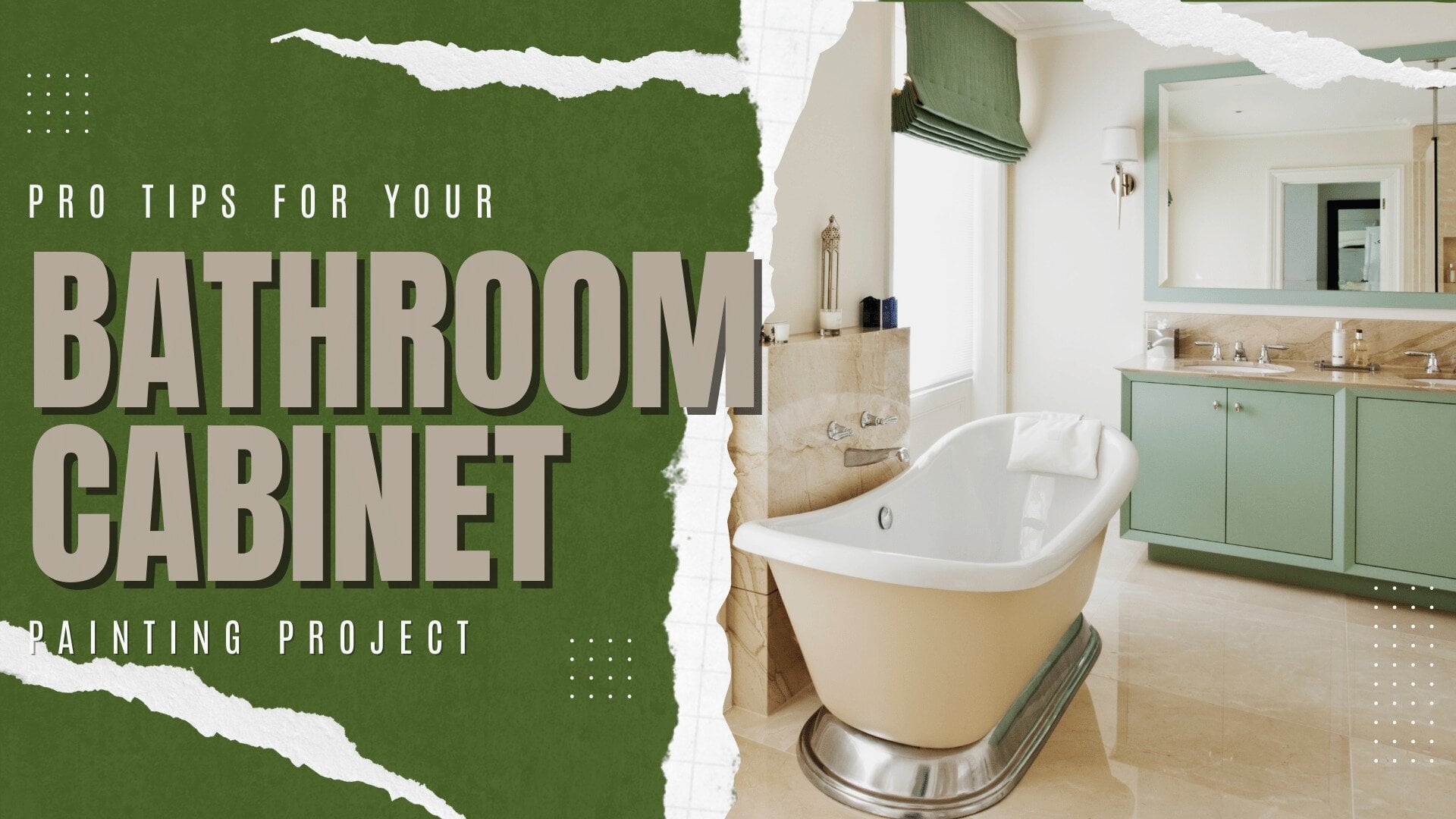
Want to refresh your bathroom without the cost (and disruption) of a full remodel? A cabinet repaint can make the entire room feel cleaner, brighter, and more modern—often in just a weekend of work plus curing time.
That said, bathroom cabinets are not a forgiving surface. Between humidity, frequent cleaning, and constant hands on knobs and pulls, shortcuts show up fast as peeling edges, sticky doors, or a finish that looks “painted” instead of factory-smooth.
Use the pro tips below to plan the job, avoid common failures, and get a durable finish that holds up in real-life bathroom conditions. PAINT Philadelphia works with homeowners throughout the region, and these are the same fundamentals pros rely on in Philadelphia-area homes.
1) Pick a cabinet-friendly, moisture-tough coating
Bathroom cabinets need more than “any paint that matches the wall.” Choose a coating that’s built for frequent contact, cleaning, and moisture.
-
Prioritize durability: look for products labeled for trim/cabinets/doors or specifically for kitchens/baths.
-
Choose a cleanable sheen: satin, semi-gloss, or gloss are popular because they wipe down easier and handle moisture better than flat finishes.
-
Match the paint to the cabinet material: solid wood, MDF, laminate, and thermofoil each behave differently—your paint choice and prep steps should reflect that.
If you’re unsure, test your full system (primer + paint) on the back of a door first and let it cure. It’s the easiest way to avoid a whole-bathroom regret.
2) Remove doors, drawers, and hardware (it’s worth it)
Painting cabinets “in place” sounds faster, but it often creates more problems: missed edges, drips under lips, and doors that stick while curing.
Do this instead:
-
Label every door and drawer with painter’s tape (e.g., “Left door – top hinge side”).
-
Bag and label hinges/screws by door.
-
Remove knobs/pulls so you can paint cleanly and reinstall without chipped edges.
This step alone usually takes the finished look from “DIY” to “clean and intentional.”
3) Degrease first, then sand (in that order)
Many cabinet paint jobs fail because people sand a dirty surface—grinding oils and residue into the wood or old finish.
A pro sequence:
-
Degrease thoroughly (especially around pulls and lower doors).
-
Rinse/wipe with clean water if your cleaner requires it.
-
Let everything dry fully.
-
Scuff-sand to dull the sheen and create grip for primer.
-
Vacuum and tack/wipe dust away so you don’t paint over powder.
In bathrooms, invisible residue from soaps, sprays, and cleaning products is often the real culprit behind peeling.
4) Repair dents and worn edges for a “new cabinet” look
Paint highlights flaws. If you want your cabinets to look refreshed rather than “coated,” do a quick restoration pass:
-
Fill dents, chips, and old hardware holes with a paintable filler.
-
Sand repairs flush (feel with your hand—your eyes will miss what your fingers catch).
-
Re-caulk small gaps where trim meets cabinet frames (optional but makes a big visual difference).
This step improves the final appearance even more than adding an extra coat of paint.
5) Prime for adhesion and uniform color
Primer isn’t just a formality—it’s the bridge between your old cabinet surface and your new finish.
Prime when:
-
The old surface is glossy or slick.
-
You’re changing colors significantly (dark to light, or bright to muted).
-
You patched/fixed areas and need an even base.
-
You see stains or tannins that could bleed through.
A good primer helps paint level better, cover more evenly, and cure harder—especially important for bathroom humidity.
6) Use tape strategically (and pull it at the right time)
Painter’s tape can give crisp lines, but only if you use it wisely.
-
Apply tape to clean, dry surfaces and press edges firmly.
-
Don’t stretch tape around corners; overlap neatly instead.
-
Remove tape before the paint fully hardens (often when it’s dry to the touch but not fully cured) to reduce the chance of lifting.
If you get minor bleed, a careful touch-up is usually easier than trying to force tape perfection everywhere.
7) Apply thin coats for a smoother, harder finish
Cabinet painting is about control. Thick coats are the fastest route to drips, heavy texture, and doors that feel “gummy.”
For better results:
-
Cut in edges with a quality angled brush.
-
Roll flat panels with a small foam roller for a tighter texture.
-
Keep coats thin and even.
-
Sand lightly between coats (once dry) if you feel dust nibs or roughness, then wipe clean.
-
Respect recoat times—rushing causes soft finishes and fingerprinting.
If you want a more “sprayed” look, patience (and thin coats) is your friend.
8) “Box” paint to keep color consistent across doors
Even if two cans are labeled the same color, minor batch variation can show up when doors sit side-by-side in bright bathroom lighting.
Boxing helps:
-
Pour all cans into one larger container.
-
Mix thoroughly.
-
Work from that container for the entire project.
This is a small step that prevents that annoying “Why do those two doors look slightly different?” moment.
9) Let cabinets cure before you put them back into daily service
Dry is not the same as cured. Cabinets get handled constantly, so they need time to harden.
Practical curing rules:
-
Wait at least a day or two before reinstalling hardware if possible.
-
Avoid scrubbing, harsh cleaners, or hanging damp towels on doors for the first week.
-
Use your bathroom fan during and after painting to keep humidity lower.
If you’re painting in winter or during wet weather, cure time may be longer. In busy Philadelphia households, this is the step most often rushed—and it’s also what protects your finish.
FAQs
1) What’s the #1 reason bathroom cabinet paint peels?
Most peeling comes from poor adhesion—usually because the surface wasn’t fully degreased, wasn’t scuff-sanded, or wasn’t primed appropriately. Bathrooms magnify these issues because moisture and frequent cleaning stress the coating.
2) Do I need to sand if the cabinets “look clean”?
Yes. Even clean-looking cabinets can be slick from old finishes, cleaners, or humidity exposure. Scuff-sanding dulls the sheen and gives primer/paint something to grip, which is essential for long-term durability.
3) What sheen should I choose for bathroom cabinets?
Satin, semi-gloss, and gloss are common choices because they’re more washable and moisture-tolerant than flat finishes. If you want maximum wipeability, go higher sheen; if you want slightly softer reflections, choose satin.
4) Should I paint the cabinet boxes and doors the same way?
Same coating system, yes—but expect different challenges. Doors are easier to paint smoothly when laid flat, while cabinet boxes require careful cutting around corners and avoiding heavy buildup on edges and inside frames.
5) How can I keep painted cabinets from sticking when I reinstall them?
Let them cure longer, avoid thick paint on edges, and reinstall gently. If doors still stick slightly, small adhesive bumpers can reduce friction points, and careful hinge adjustment prevents rubbing that can damage a fresh finish.
If you need professional help with your interior/exterior painting project, PAINT Philadelphia can help.
Our home interior/exterior painting services are available in Newtown, Holland, and Richboro, PA.
Related: How To Fix The Peeling Paint On Your Fences in Holland, PA
Guide To Painting An Accent Wall On Your Gaming Room in Newtown, PA

Andrew Tomasetti is not just a painting contractor, he is the owner of Paint Philadelphia; a painting company in the greater Philadelphia area that services the Holland, Newtown, Churchville, Yardley, Richboro areas.
Andrew Tomasetti is both a veteran and an engineer. His passion for hands-on work comes from his father and uncle and runs deep in his veins.


Ready to get started?
Let’s get your project painted.
Schedule a free in-home consultation or call us at (267) 229-4333.