
Uncategorized
Common Interior Paint Problems and Their Solutions in Newtown
February 28, 2022

Interior paint failures are rarely random. Most problems stem from moisture, poor surface prep, wrong paint choice, or rushed application. In Newtown’s climate, seasonal humidity and temperature swings can accelerate issues like blistering, mildew, and cracking. Many homes in the area are older, with multiple layers of paint and outdated primers, which makes them more prone to chipping and bubbling if not properly addressed first.
Philadelphia‑area painters frequently see the same set of issues in Newtown interiors: peeling near windows, mildew in bathrooms, and lap marks on ceilings. Knowing the root causes helps homeowners avoid these problems or choose the right repair strategy.
Common Interior Paint Problems
1. Peeling and Blistering Paint
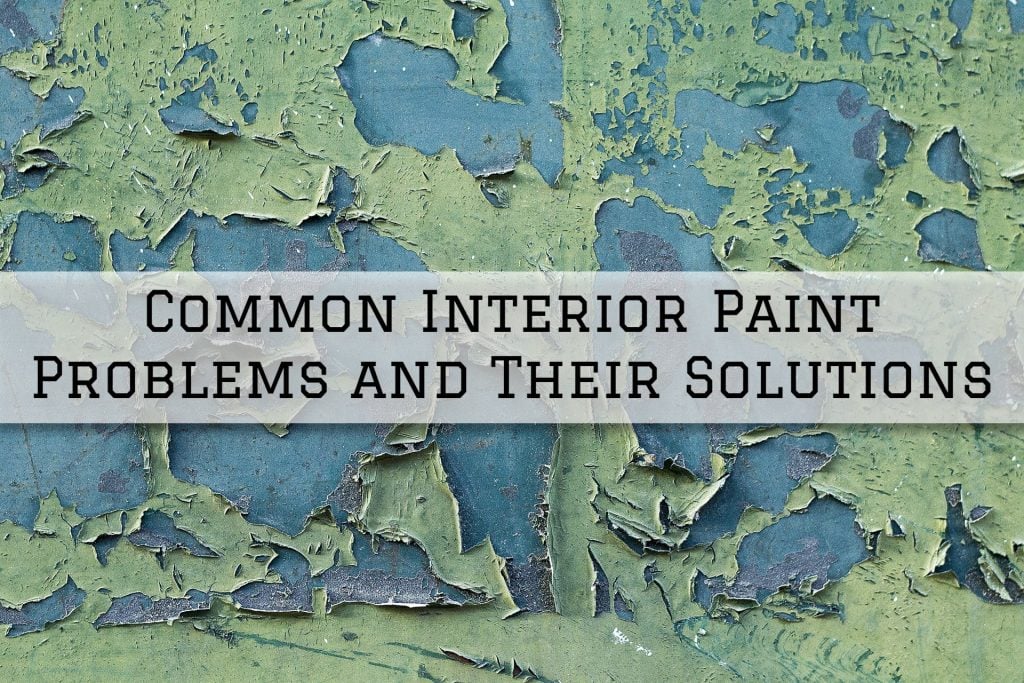
Peeling paint in Newtown homes often appears around windows, baseboards, and corners. It can be caused by moisture intrusion, painting over damp or dirty surfaces, or using low‑quality paint that cannot bond properly. In more severe cases, peeling indicates underlying water damage or poor ventilation in attics and basements.
Blistering—small bubbles or raised areas—usually happens when moisture is trapped under the paint film or when the surface was not cleaned and primed correctly. In older homes around Philadelphia, this is common in kitchens and bathrooms where steam and humidity build up over time.
How to Solve It:
-
Locate and fix the moisture source (e.g., roof or window leaks, condensation, or poor ventilation).
-
Remove all loose, peeling paint with a scraper or sander, feathering the edges into the surrounding surface.
-
Clean the area with a mild detergent and let it dry completely.
-
Apply a high‑quality bonding or moisture‑resistant primer.
-
Repaint with a premium interior paint suitable for the room (e.g., semi‑gloss in high‑moisture areas).
Philadelphia‑based painters often recommend using a mold‑resistant primer in bathrooms and kitchens to prevent future blistering and peeling.
2. Cracking, Alligatoring, and Flaking
Cracking paint can look like a spider‑web pattern or deep fissures, especially on older walls. Alligatoring (large, crocodile‑like cracks) typically occurs when a rigid topcoat is applied over a more flexible undercoat, or when paint is applied too thickly and dries improperly. In Newtown homes, this is common on previously painted walls that have been neglected for years.
Flaking can also appear after repainting if the surface was not sanded or primed, or if incompatible paint types were layered (e.g., oil over latex).
How to Solve It:
-
Sand the cracked area until smooth, feathering into the surrounding paint.
-
Remove any loose material completely.
-
Prime the area with a high‑quality interior primer designed for problem surfaces.
-
Apply two thin coats of premium interior paint, allowing proper dry time between coats.
-
For large alligatoring sections, consider full wall prep: sanding, priming, and painting the entire wall for a uniform finish.
Philadelphia contractors often advise homeowners to avoid “just patching” if the surrounding wall is in poor condition. A full‑wall repaint produces a cleaner, longer‑lasting result.
3. Mildew, Staining, and Yellowing
Mildew and staining are frequent in Newtown’s older homes, especially in bathrooms, basements, and near windows. Grey or black spots on walls are typically mold or mildew, often caused by high humidity, poor ventilation, or water leaks. Yellowing usually appears on ceilings, trim, or around light fixtures, especially in rooms with older light bulbs or where oil‑based paint was used.
In Philadelphia households, smoke and cooking oils can also cause yellow‑brown stains that bleed through new paint if not properly blocked.
How to Solve It:
-
Treat mildew with a solution of one part bleach to three parts water, scrub gently, and rinse. Let the wall dry completely.
-
Apply a stain‑blocking or mildew‑resistant primer to seal the affected area.
-
Repaint with a high‑quality interior paint that offers mildew resistance, especially in bathrooms and kitchens.
-
For yellowing caused by smoke or old oil‑based paint, use a pigmented stain‑blocking primer before the topcoat.
Philadelphia‑area painters recommend installing exhaust fans in bathrooms and upgrading to LED lighting to reduce heat and moisture buildup that can contribute to yellowing and mildew.
4. Lap Marks, Uneven Sheen, and Streaks
Lap marks appear when wet and dry paint overlap, creating darker or shinier bands on the wall. This usually happens when painters work too slowly, fail to maintain a “wet edge,” or use cheap paint that doesn’t level well. In older Newman homes with uneven drywall or textured walls, these issues are more noticeable under modern LED lighting.
Uneven sheen can also occur if the wrong roller cover is used, the surface wasn’t uniformly sanded, or primer was skipped. Streaks may appear when the paint is too thin, the roller is overloaded, or the wall is overworked.
How to Solve It:
-
Prep the wall properly: clean, sand lightly, and prime if needed.
-
Use a high‑quality interior paint with strong leveling properties.
-
Work in manageable sections, maintaining a wet edge, and avoid going back over semi‑dry areas.
-
Use the correct roller nap for the wall texture (e.g., 3/8” for smooth walls).
-
Apply two thin coats instead of one thick coat for a smoother, more uniform finish.
Philadelphia painting companies often educate clients about the importance of professional tools and techniques, which directly impact how streak‑free and even the final interior coat looks.
5. Fading, Chalking, and Poor Adhesion
Paint that fades or chalks (leaves a powdery residue when touched) usually indicates low‑quality paint, over‑thinning, or exposure to harsh conditions. In Newtown, interior paint near windows can fade faster if exposed to strong sunlight, especially if the paint lacks UV stabilizers. Poor adhesion can cause the paint to peel off when touched or sponge‑cleaned.
In older Philadelphia homes, this can also happen if the previous paint was not properly prepared, or if grease and wax were left on the surface before repainting.
How to Solve It:
-
Clean the surface thoroughly to remove dust, grease, and wax.
-
Lightly sand glossy or slick areas to create “tooth” for the new paint.
-
Use a high‑quality interior primer on problem areas.
-
Apply two coats of premium interior paint, avoiding over‑thinning.
-
For sun‑exposed walls, choose paints with better fade resistance and use window treatments to reduce direct sunlight.
Philadelphia‑based painters often recommend using interior paints with good durability ratings, especially in high‑traffic areas like hallways and stairwells.
Preventing Interior Paint Problems in Newtown
Prevention is always cheaper and faster than repair. In Newtown, PA, homeowners can significantly extend the life of their interior paint by:
-
Choosing high‑quality interior paints and primers suited to each room.
-
Preparing surfaces thoroughly: cleaning, sanding, patching holes, and priming.
-
Addressing moisture and ventilation issues before painting.
-
Hiring experienced painters familiar with regional conditions and older homes.
-
Scheduling regular touch‑ups and inspections, especially in bathrooms and kitchens.
Philadelphia‑area painting companies often provide free color consultations and small‑area touch‑up services to help homeowners maintain their interiors between full repaints.
FAQ: Common Interior Paint Problems in Newtown
1. Why is my interior paint peeling in Newtown?
Peeling interior paint in Newtown is usually caused by moisture, poor surface prep, or low‑quality paint. Homes with older drywall, windows, or plumbing can experience hidden leaks that create trapped moisture. Painting over dirty or glossy surfaces without sanding and priming also leads to poor adhesion and eventual peeling. Philadelphia‑based painters often recommend a full inspection and prep before repainting to avoid recurring issues.
2. How can I tell if the problem is mold or just paint stains?
True mold or mildew usually appears as fuzzy, dark grey or black spots that can spread or leave a musty smell. If the spots rub off easily and reveal a discolored surface underneath, it may be water stains or previous paint issues. A bleach test (apply a small amount; if the spot lightens, it’s likely mildew) can help, but it’s often safer to have a professional in the Philadelphia area inspect and remediate if needed before painting.
3. Should I repaint the entire wall or just patch the damaged area?
For small chips or dings, careful patching and repainting can suffice. However, if the wall has multiple cracks, peeling sections, or visible texture differences, a full‑wall repaint is usually better. In older Newtown homes with layered paint, patch‑and‑paint can look uneven under modern lighting. Philadelphia painters typically recommend repainting the entire wall for a seamless, long‑lasting result.
4. What type of paint should I use in high‑humidity areas?
In bathrooms, kitchens, and basements, use high‑quality interior paints labeled as moisture‑resistant or mildew‑resistant, ideally with a semi‑gloss or satin finish. These sheens are easier to clean and more durable than flat paints. Philadelphia‑area contractors also suggest using a mildew‑inhibiting primer before the topcoat to increase protection against moisture and stains.
5. How often should interior paint be refreshed in Newtown homes?
Typically, interior paint in well‑maintained Newtown homes lasts 7–10 years. High‑traffic areas like hallways, kitchens, and children’s rooms may need touch‑ups or repainting sooner. Factors like humidity, sunlight, and air quality (common in the Philadelphia region) can accelerate wear. Scheduling a professional inspection every few years helps homeowners catch issues early and plan repaints before problems become expensive.
How To Properly Prepare Bathroom Painting in Holland
Preparing a bathroom for a fresh coat of paint is just as important as the application itself. In Holland, PA, many homes have older bathrooms with textured walls, past moisture issues, and limited ventilation. Proper prep ensures the new paint adheres well, resists moisture, and looks professional for years. A well‑prepared bathroom paint job in Holland often starts long before the first brushstroke.
If you need professional help with your interior/exterior painting project, PAINT Philadelphia can help.
Our home interior/exterior painting services are available in Newtown, Holland, and Richboro, PA.
Related: 7 Interior Paint Colors To Consider in Newtown, PA
7 Tips for Upgrading Your Living Room Interior In Newtown, PA

Andrew Tomasetti is not just a painting contractor, he is the owner of Paint Philadelphia; a painting company in the greater Philadelphia area that services the Holland, Newtown, Churchville, Yardley, Richboro areas.
Andrew Tomasetti is both a veteran and an engineer. His passion for hands-on work comes from his father and uncle and runs deep in his veins.
Ready to get started?
Let’s get your project painted.
Schedule a free in-home consultation or call us at (267) 229-4333.